Defining student and academic statuses

Defining Student and Academic Statuses

This guide explains how admins can define, organize, and manage student and academic statuses inside the PrepBase Admin Portal. These statuses act as standardized labels that help track student progress, academic standing, and project lifecycle stages across the platform.

The status system is intentionally flexible so it can adapt to different institutional workflows, counseling models, and academic processes.

1. Overview: Why Statuses Matter

Statuses provide a structured way to:

  • Track student academic progress

  • Monitor project or application lifecycle stages

  • Maintain consistency across teams

  • Enable clearer reporting and filtering

  • Reduce ambiguity in student and project management

PrepBase separates statuses into two distinct categories to avoid overlap and confusion.

2. Status Categories in PrepBase

1. Student Project Status

Used to track the progress of a student’s project or workflow, such as counseling journeys, applications, or structured tasks.
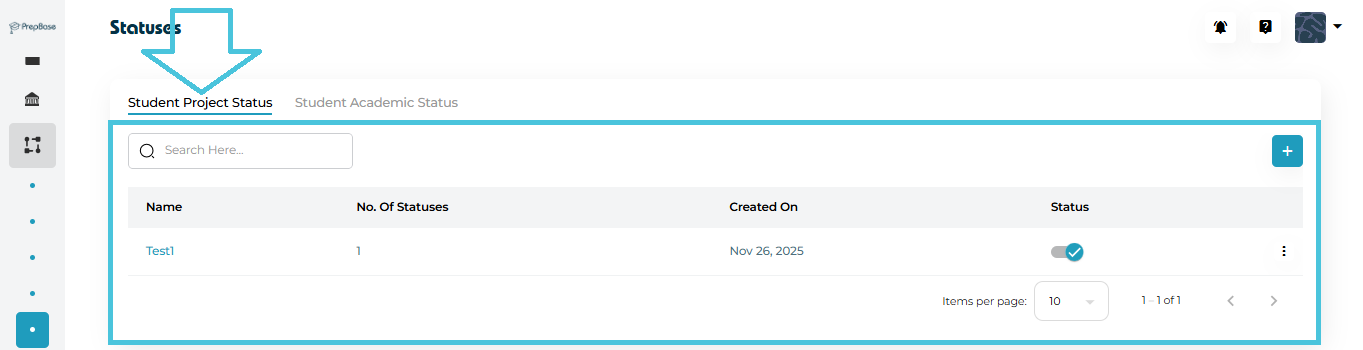
Examples:

  • Not Started

  • In Progress

  • On Hold

  • Completed

These statuses are typically applied to:

  • College application projects

  • Counseling workflows

  • Long-term student initiatives

2. Student Academic Status

Used to describe a student’s academic standing or learning state at a given time.
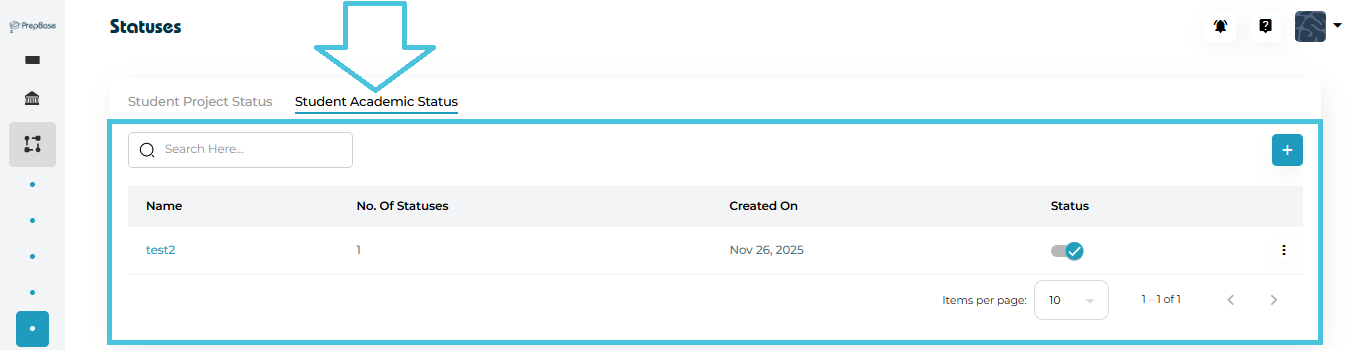
Examples:

  • Active

  • Academic Review

  • Probation

  • Completed

  • Withdrawn

These statuses help counselors and admins quickly understand a student’s academic position without reviewing detailed records.

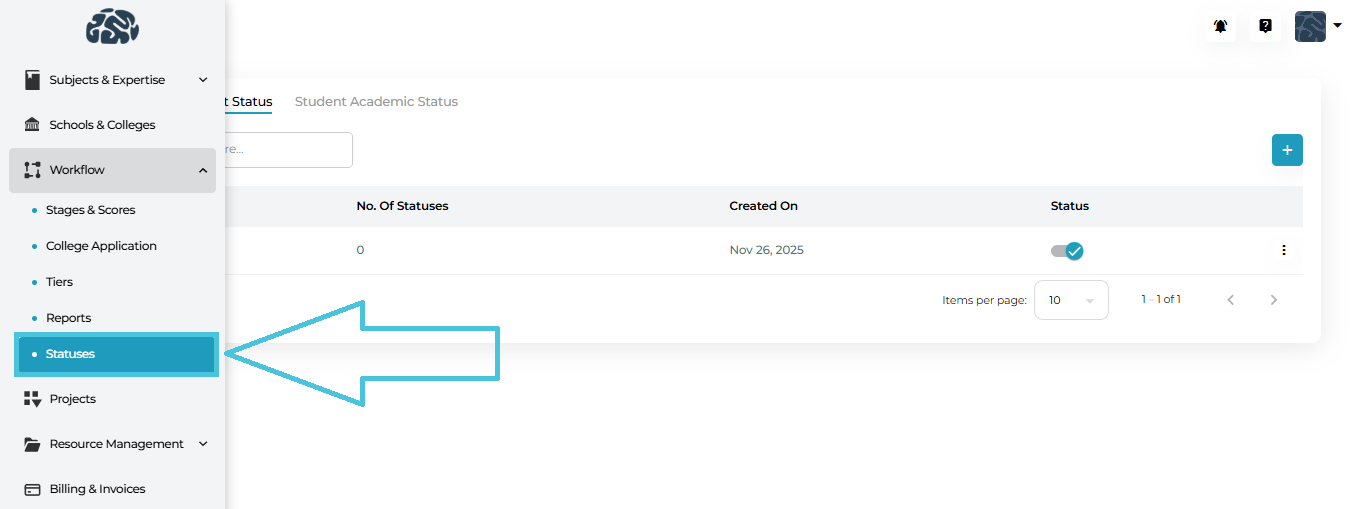
3. Accessing Status Management

Navigate to:

Admin Panel → Workflow → Statuses

You will see two tabs:

  • Student Project Status

  • Student Academic Status

Each tab operates independently but follows the same management logic.

4. Creating a New Status Group

A status group acts as a container for related statuses.
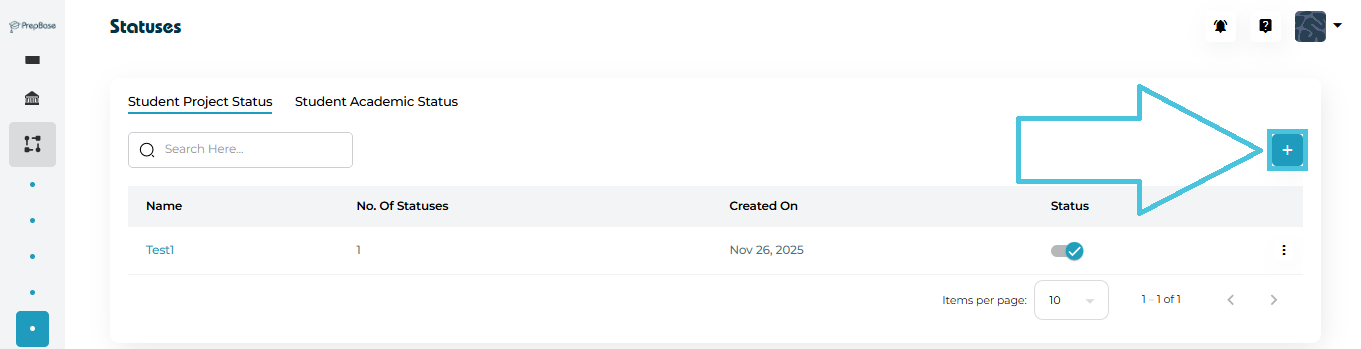
Steps:
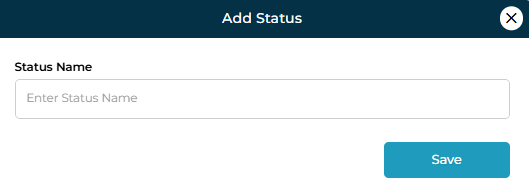
  1. Select either Student Project Status or Student Academic Status

  2. Click ➕ Add New

  3. Enter a Status Group Name

  4. Save the group

Once created, the group will appear in the main list with:


  • Number of statuses inside it

  • Created date

  • Status

5. Adding Statuses Inside a Group

Each status group can contain multiple individual statuses.
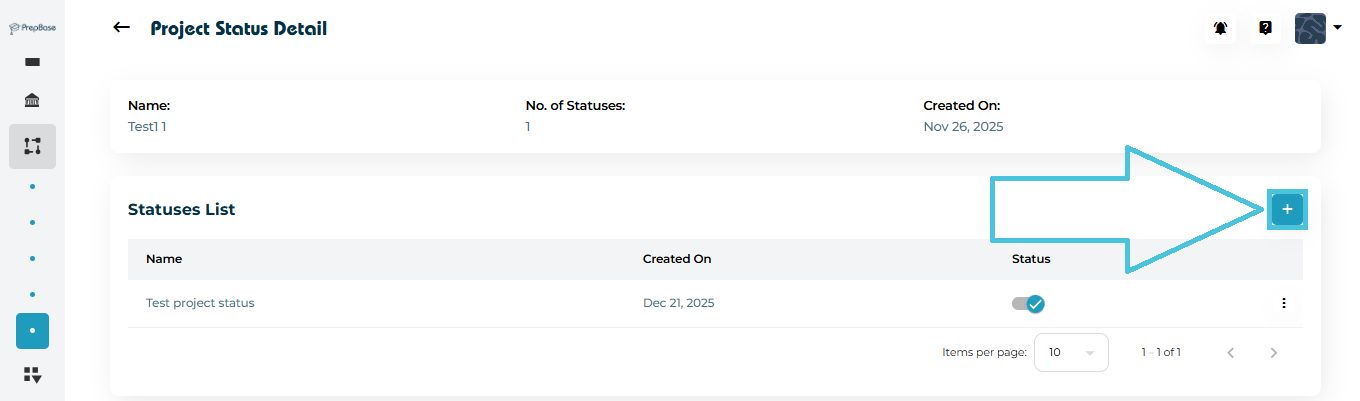
Steps:
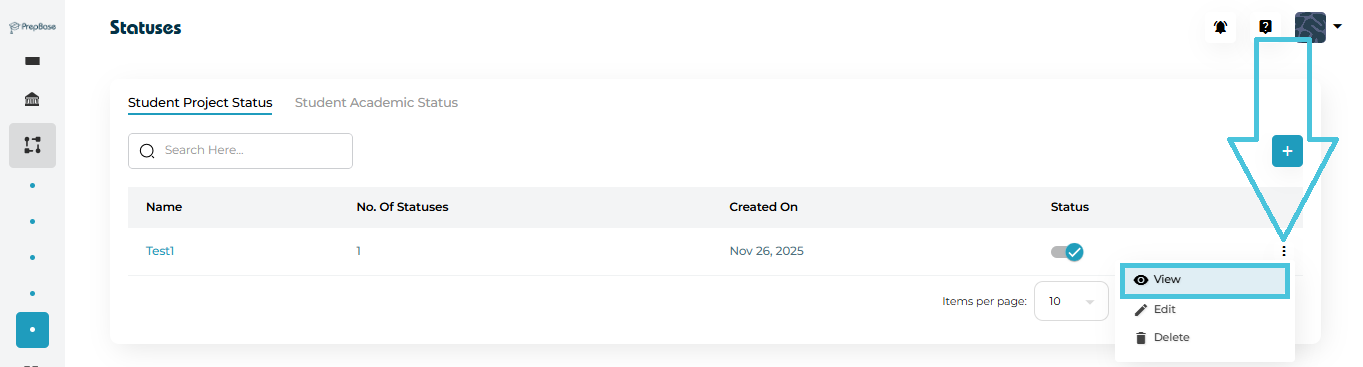
  1. Open a status group using either:

    • View from the three-dot menu

    • Clicking directly on the status group name

  2. In the Statuses List section, click ➕ Add New

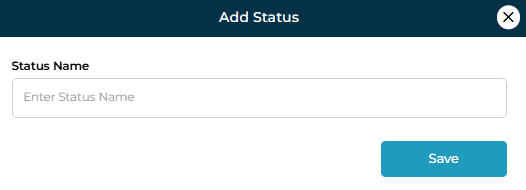
  3. Enter the Status Name

  4. Save

These individual statuses represent the actual labels used across student profiles and projects.

6. Viewing Status Details

You can view details in two ways:

  • Click View from the three-dot menu

  • Click directly on the status group name

The detail view shows:
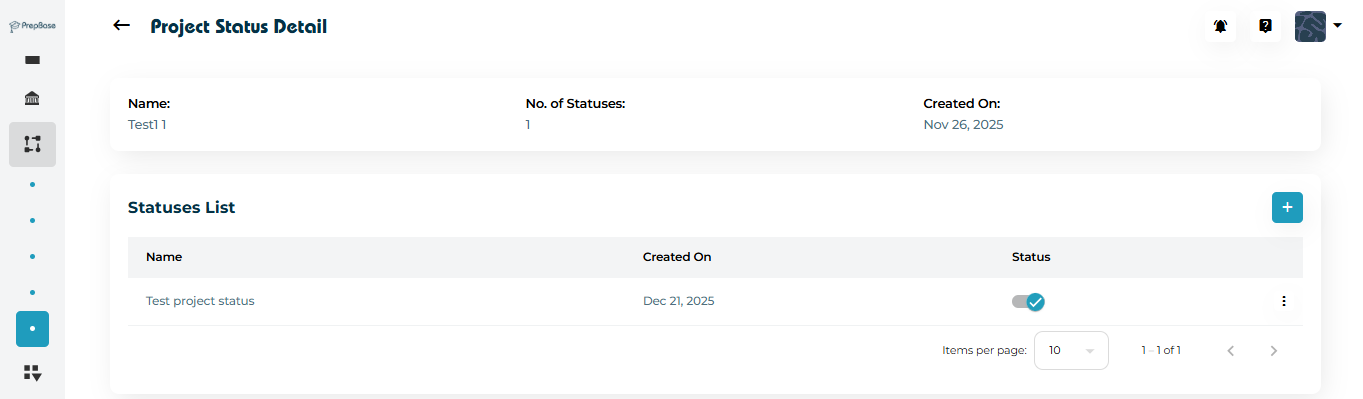
  • Status group name

  • Total number of statuses

  • Created date

  • List of all inner statuses with their current state

This makes it easy to audit and review how statuses are structured.

7. Editing Status Groups or Individual Statuses

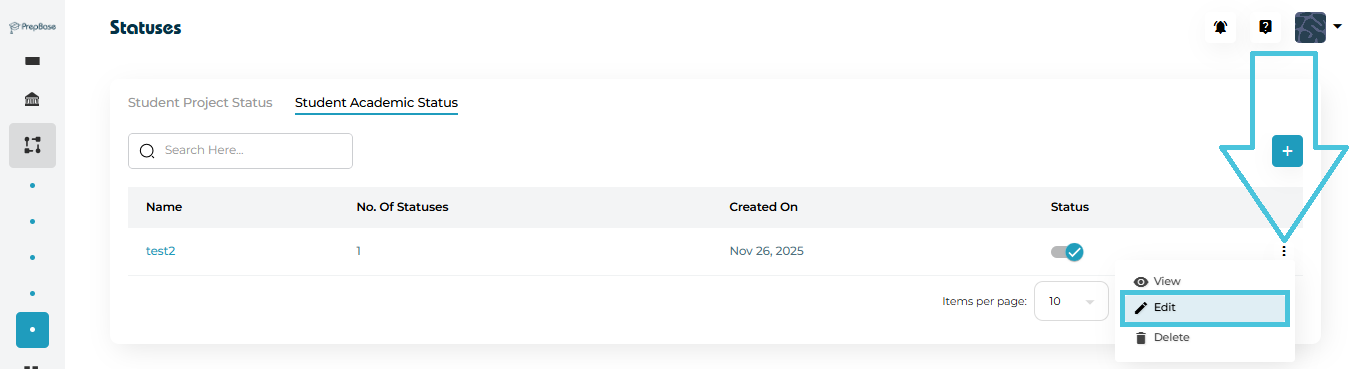
Edit a Status Group:


  • Open the three-dot menu

  • Select Edit

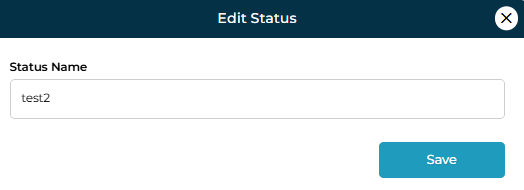
  • Update the name

  • Save changes

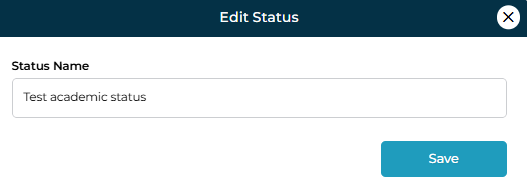
Edit an Individual Status:
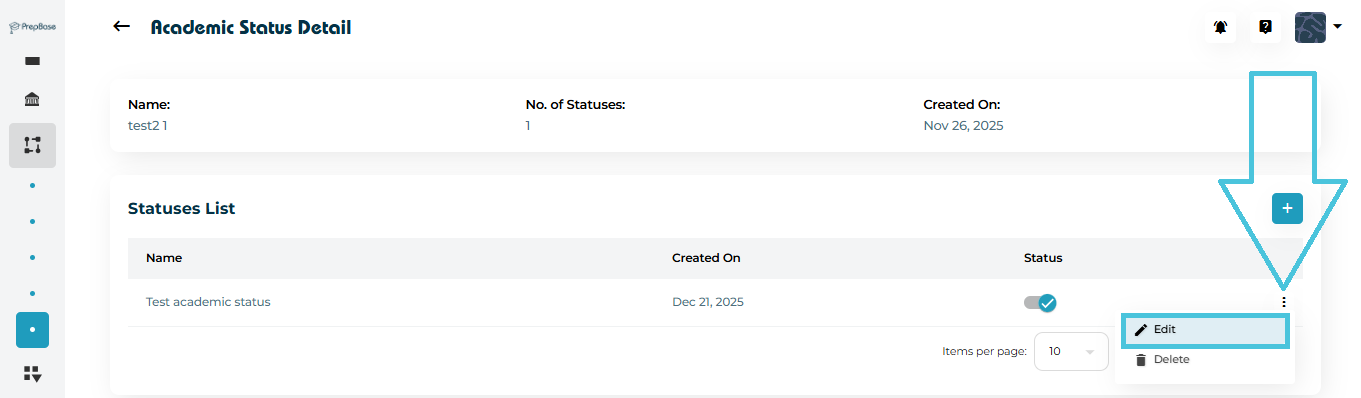
  • Open the status group

  • Use the three-dot menu next to the specific status

  • Select Edit

  • Update the name

  • Save

Edits apply immediately across the system wherever the status is used.

8. Enabling or Disabling Statuses

Each status and status group includes a status toggle.
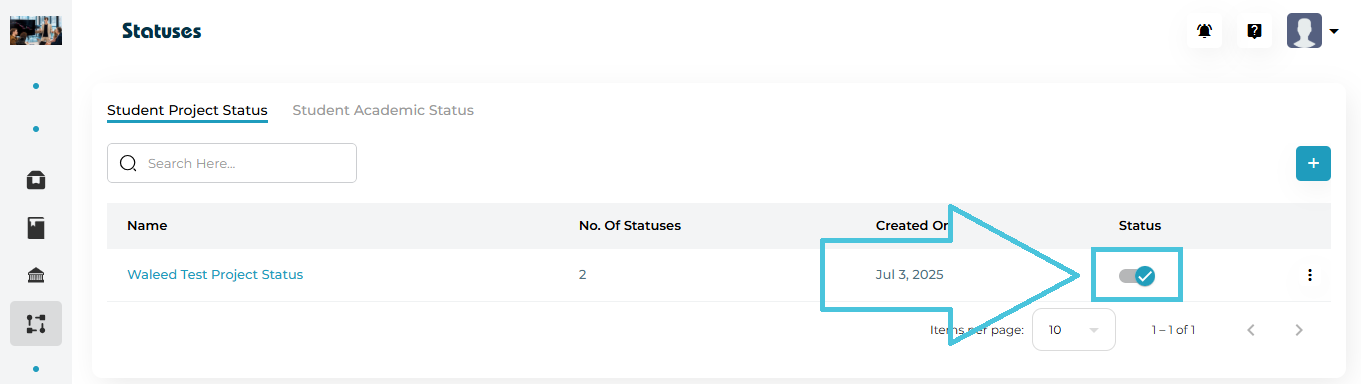
  • Enabled: Status is available for selection

  • Disabled: Status is hidden but not deleted

This is useful for:

  • Temporarily retiring old statuses

  • Maintaining historical data

  • Avoiding accidental usage

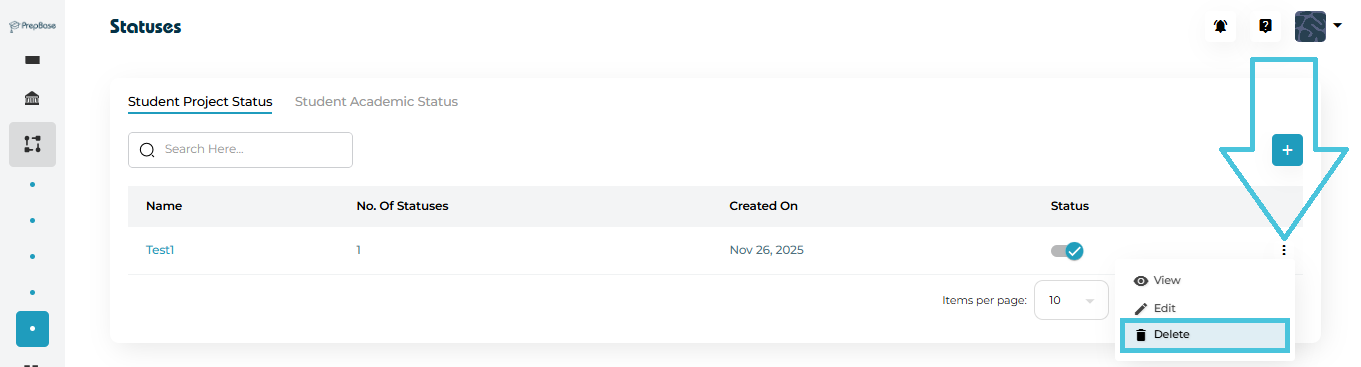
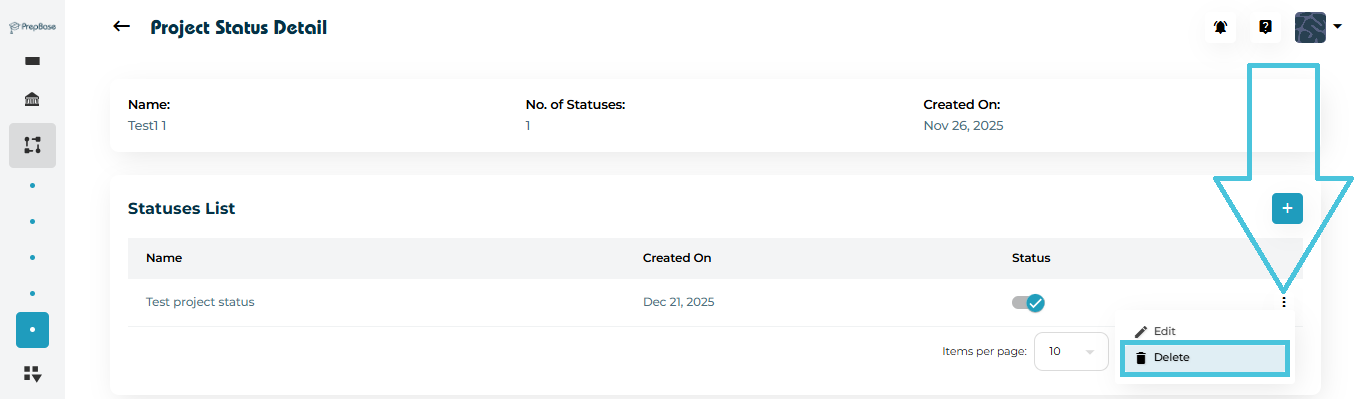
9. Deleting Statuses (With Caution)

Admins can delete:

  • Entire status groups

  • Individual statuses inside a group

⚠️ Best Practice:
Only delete statuses that are no longer in use, as removing active statuses may impact reporting or historical records.
IN THIS ARTICLE

Creating custom analytics reports

Creating Custom Analytics Reports

Creating custom analytics reports in PrepBase allows administrators to design structured, reusable reports that capture exactly the data needed for monitoring progress, performance, and outcomes across workflows. These reports are fully configurable, role-aware, and can be expanded over time without affecting existing data.
1. What Are Custom Analytics Reports?

Custom analytics reports are flexible report templates that define:

  • What information is collected

  • Who can view or fill the report

  • How data is structured using custom fields

Each report can contain multiple report entries (sections), and each entry can include multiple questions or data fields such as text, dropdowns, dates, or numeric inputs.

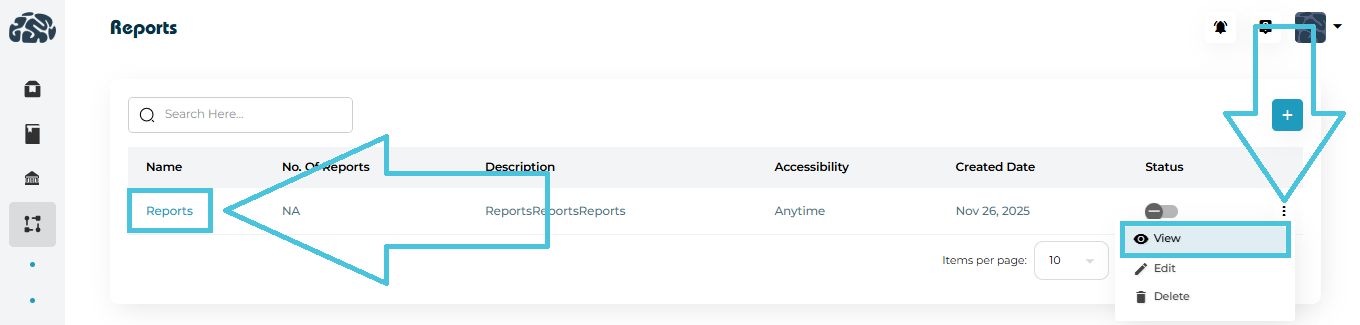
2. Accessing the Reports Module

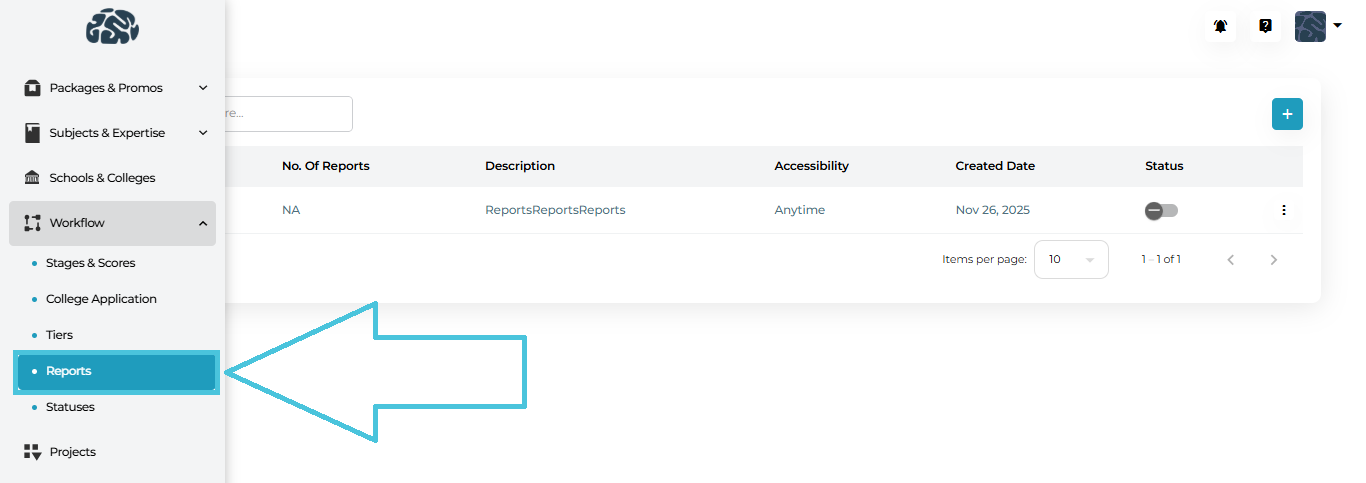
To manage reports:

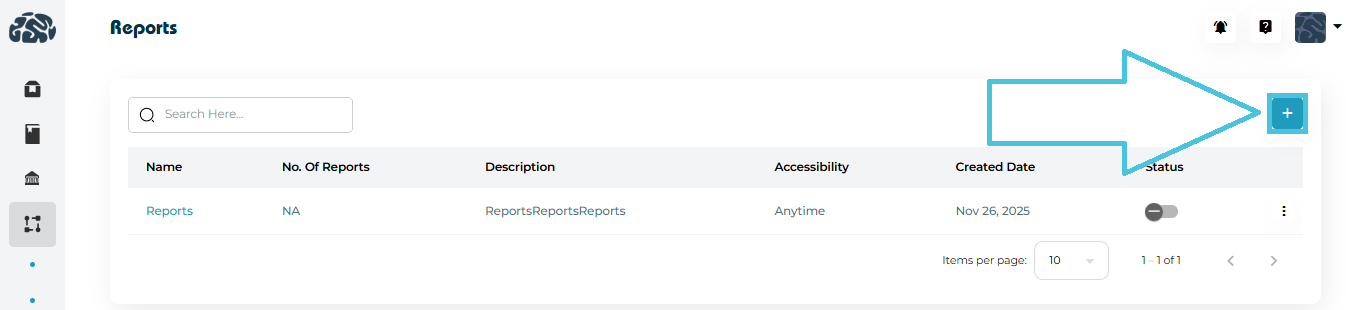
  1. Open the Workflow section from the left navigation.

  2. Click Reports.

  3. You’ll see a list of all existing reports along with:

    • Number of report entries

    • Accessibility

    • Created date

    • Status (Active / Inactive)

3. Creating a New Report

To create report:

  1. Click ➕ Add New on the Reports page.

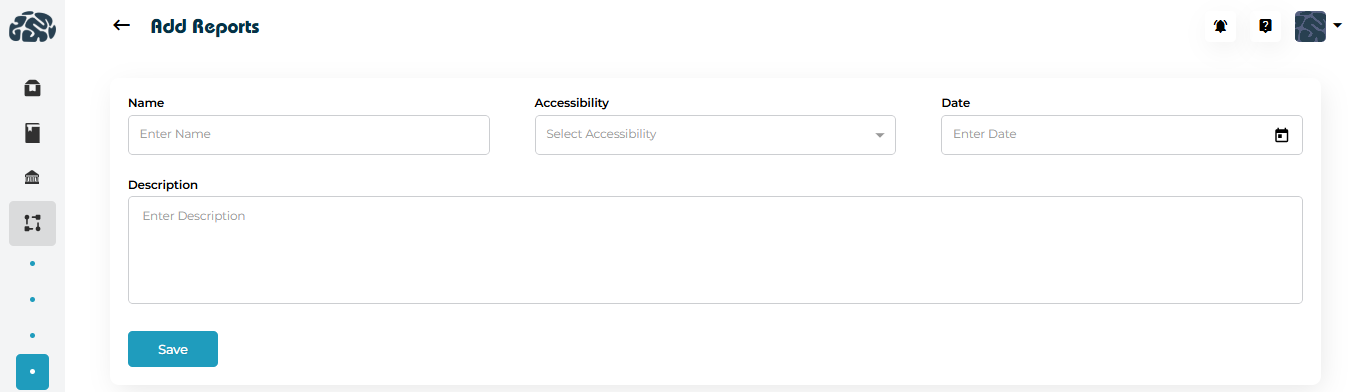
  2. Fill in the core report details:

    • Report Name – A clear, descriptive title (e.g., Student Progress Report).

    • Accessibility – Define when the report can be accessed (e.g., Anytime or date-restricted).

    • Date – Optional availability or reference date.

    • Description – Explain the purpose of the report.

  3. Click Save to create the report container.

At this stage, the report exists but does not yet collect any data until sections and fields are added.

4. Adding Report Sections and Custom Fields

Each report can include multiple report entries (also called report sections).

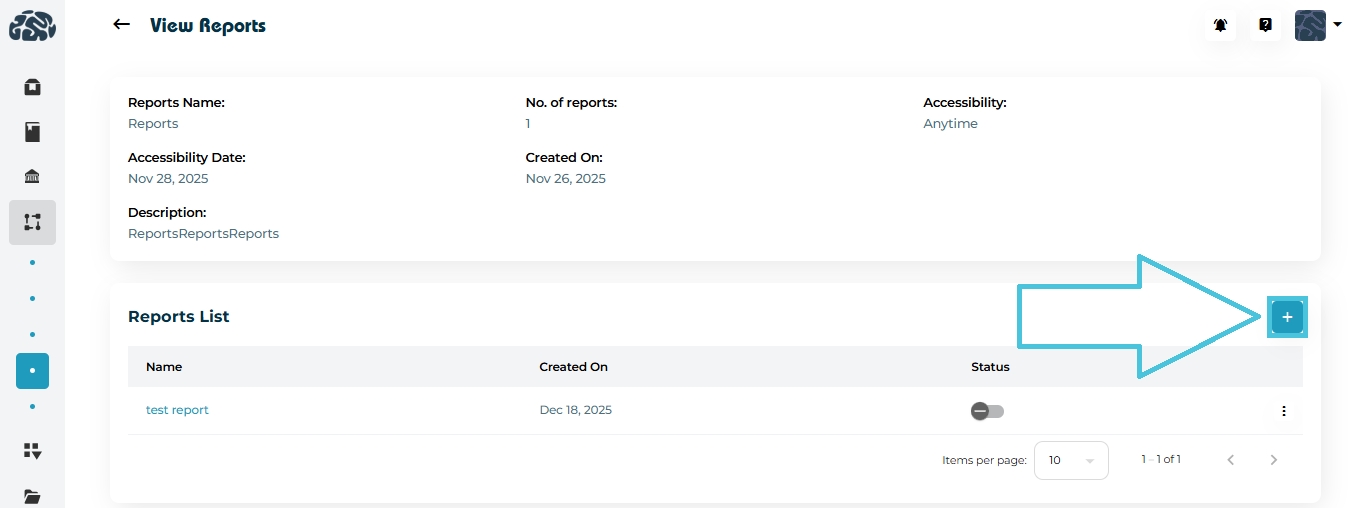
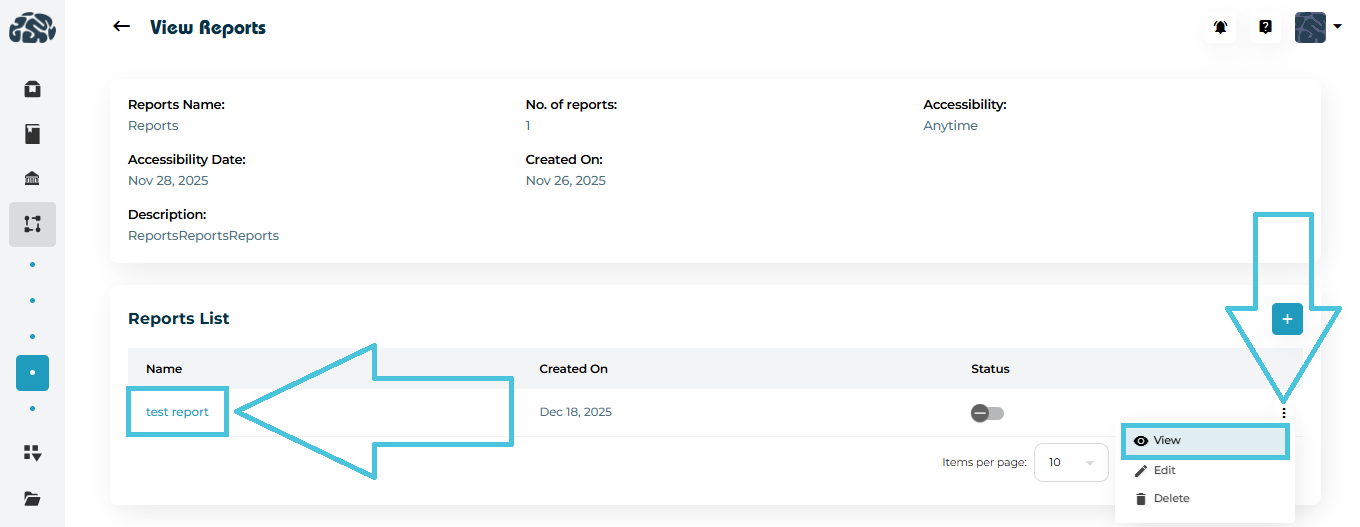
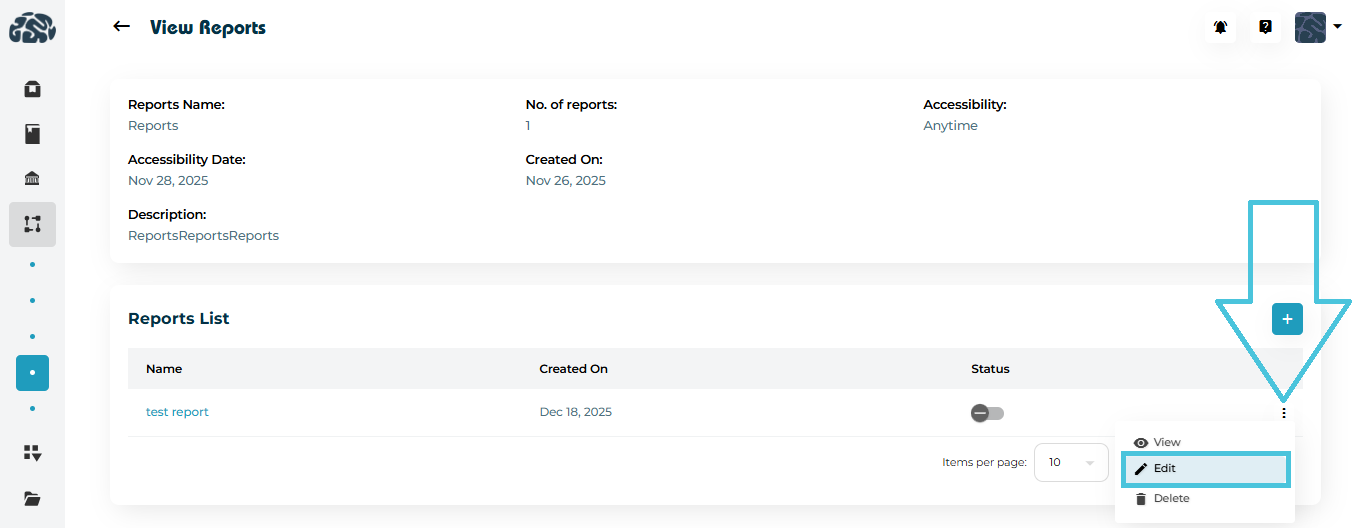
  1. Open a report using either:

    • The View option from the three-dot menu, or

    • Clicking directly on the Report Name.

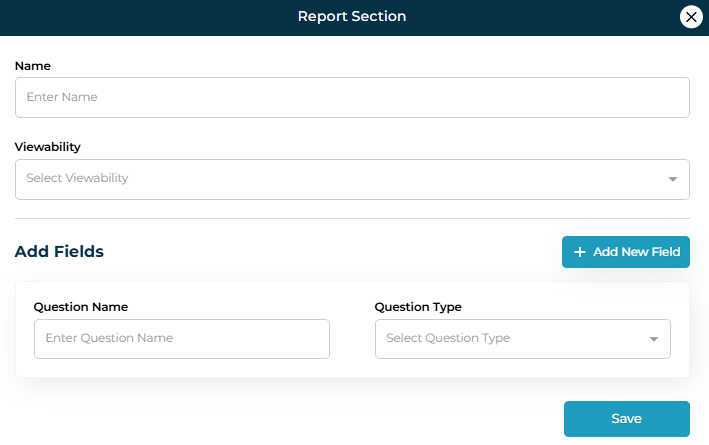
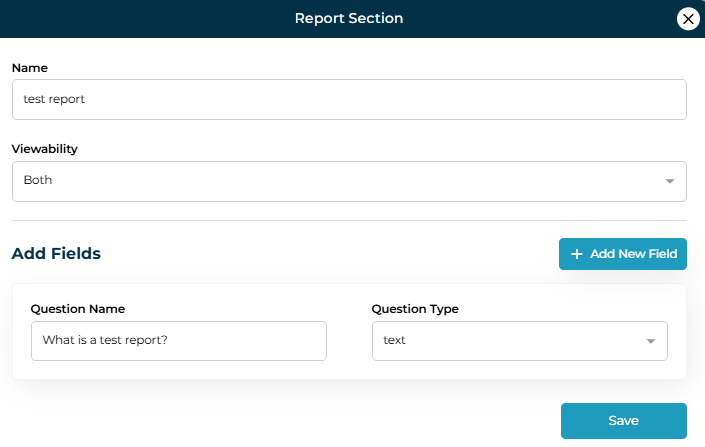
  1. In the Reports List section, click ➕ Add.

  2. Enter:

    • Section Name (e.g., Academic Evaluation).

    • Viewability – Control who can view or fill this section (students, counselors, or both).

    • Question Name – The prompt shown to users (e.g., What is the student’s current GPA?).

    • Question Type – Choose how data is captured:

      • Text

      • Input
      • Number
      • Textarea
      • Dropdown

      • Multiselect
      • Radio
      • Checkbox
      • Date

  3. Save the field.

This allows a single report to capture different dimensions of analysis in a structured way.

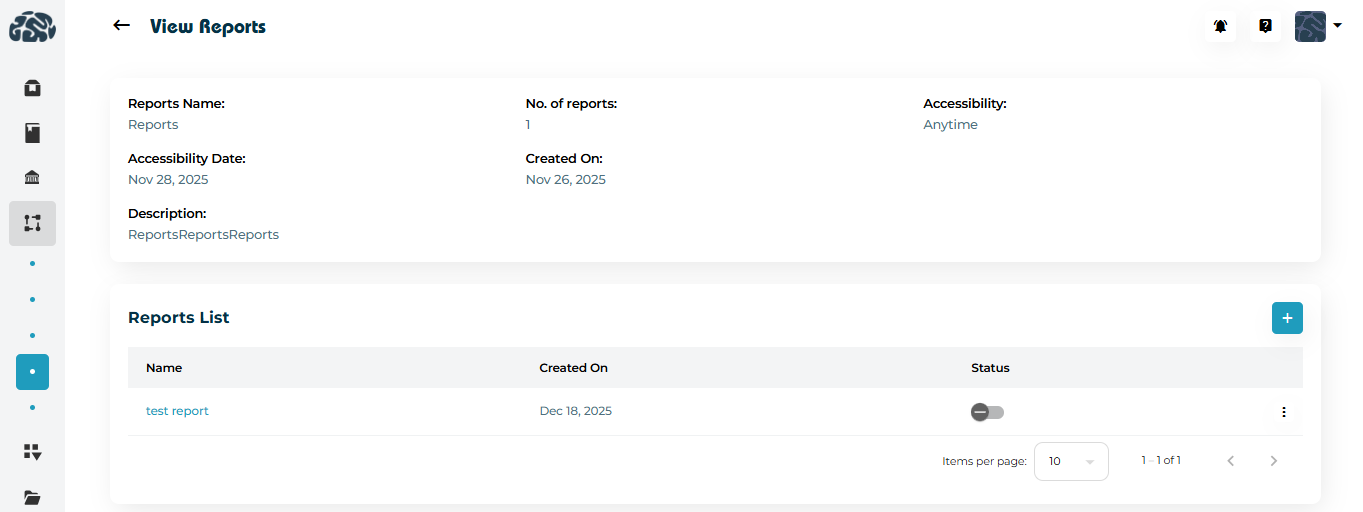
5. Viewing Reports and Report Details

Reports and their sections can be viewed in two ways:

  • Clicking View from the three-dot menu, or

  • Clicking directly on the Report Name or Section Name.

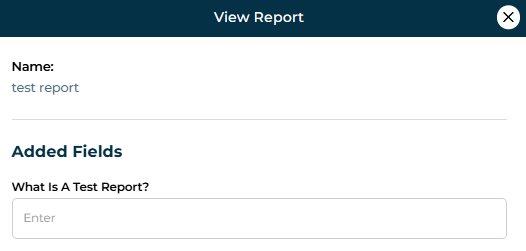
The view screen displays:

  • Report metadata (name, accessibility, created date)

  • List of report sections

  • Fields configured within each section

This makes it easy to audit report structure without editing.

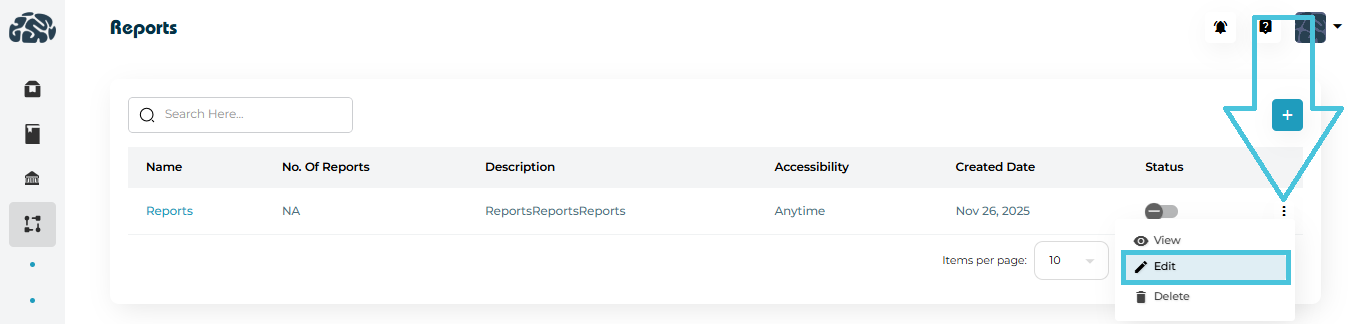
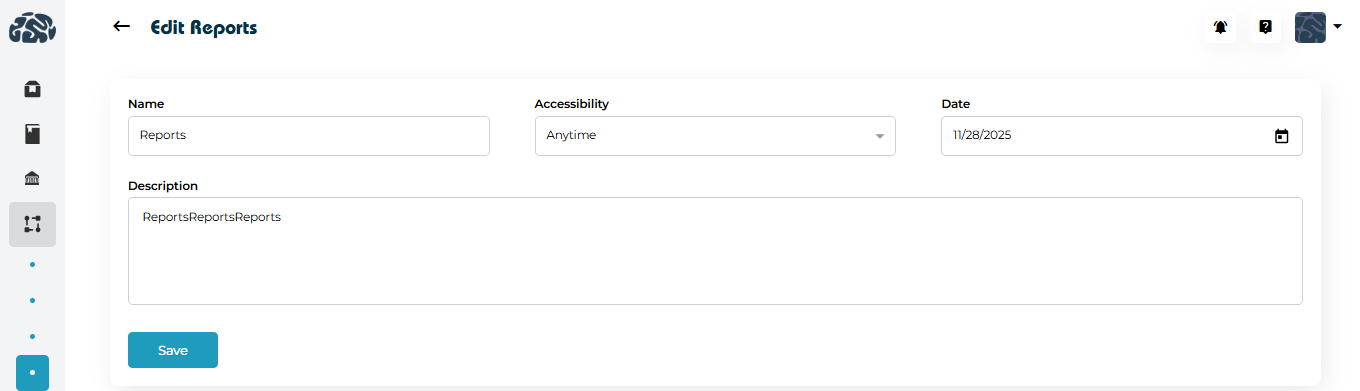
6. Editing Reports and Fields

Administrators can update reports at any time:

  • Edit Report – Change name, accessibility, date, or description.

  • Edit Section – Modify section name or viewability.

  • Edit Fields – Update question text or field type.

Edits apply immediately and help evolve reporting needs without recreating reports from scratch.

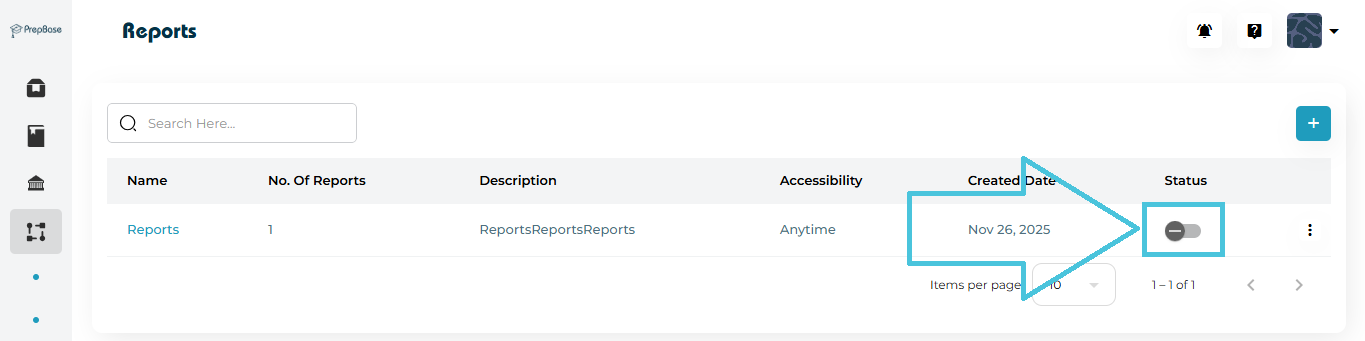
7. Managing Report Status

Each report and report entry includes a status toggle:

  • Enabled – Report is active and available for use.

  • Disabled – Report is hidden but preserved for future reactivation.

This is useful for seasonal reports, phased workflows, or archived analytics.

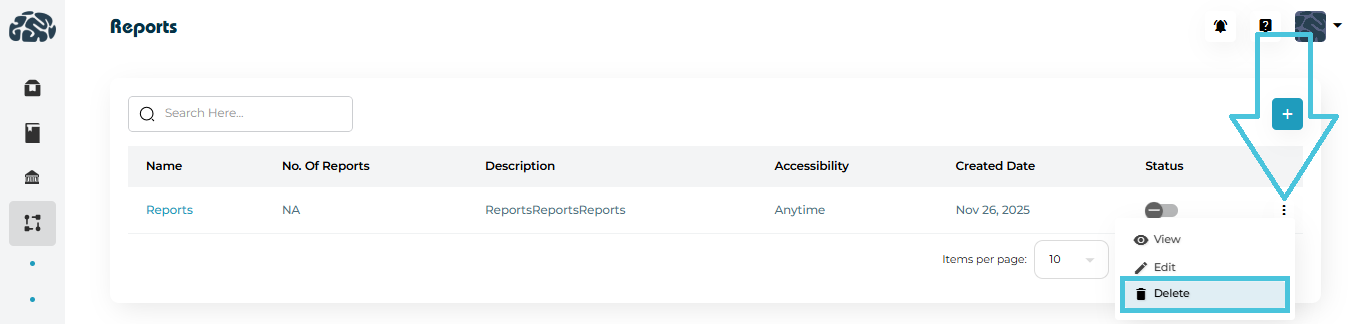
8. Deleting Reports or Sections

  • Reports or individual sections can be deleted using the Delete option from the three-dot menu.

  • Deletion should be used carefully, as it permanently removes the structure.

For temporary removal, disabling is recommended instead of deletion.

IN THIS ARTICLE

Managing tier-based reports

Managing Tier-Based Reports

Tier-based reports in PrepBase allow admins to structure workflow reporting into clear, progressive layers (tiers). Each tier can represent a milestone, review level, or reporting checkpoint—making it easier to track progress, actions, and feedback across complex processes such as admissions, counseling, or multi-step projects.

This guide explains how to create, view, edit, and manage tiers, and how tier-based reporting improves visibility and decision-making.

1. What Are Tier-Based Reports?

Tier-based reports organize workflow data into hierarchical tiers, where each tier can include:


  • Statuses (e.g., Pending, Approved, Rejected)

  • Actions (e.g., Review, Escalate, Complete)

  • Optional feedback collection

This structure is ideal for:

  • Admission reviews

  • Multi-stage counseling evaluations

  • Internal quality checks

  • Approval-driven workflows

2. Accessing Tiers Management

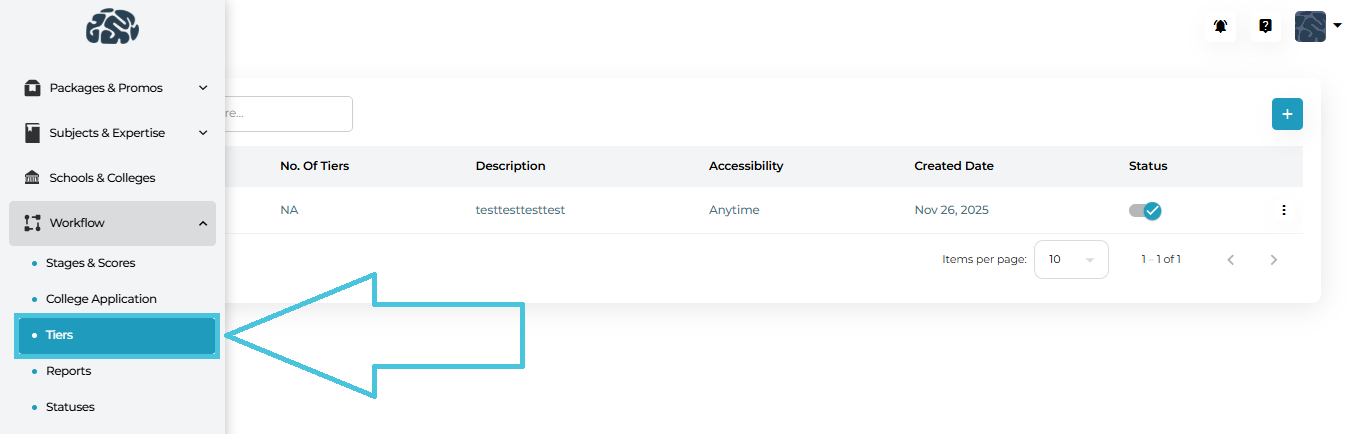
Navigate to:

Admin Panel → Workflow → Tiers

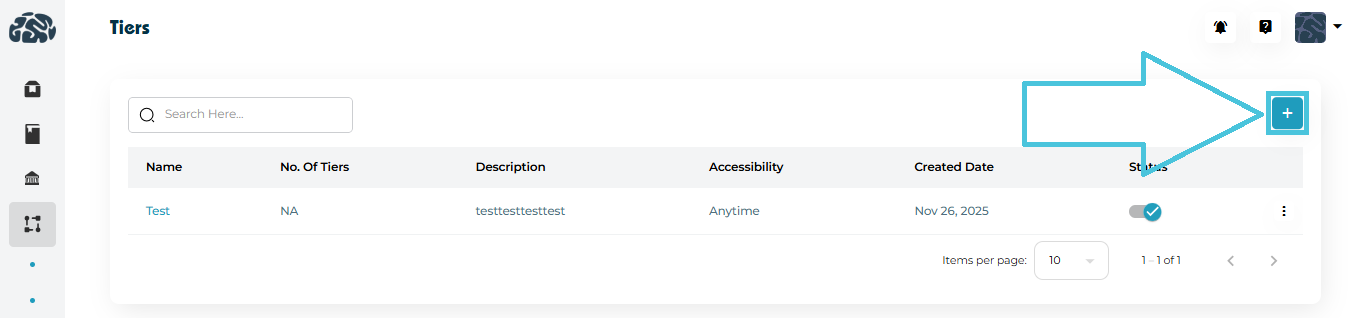
Here, you’ll see a complete list of existing tiers with:

  • Tier name

  • Number of tiers inside it

  • Description

  • Accessibility (e.g., Anytime or date-based)

  • Created date

  • Status (Active/Inactive)

3. Creating a New Tier

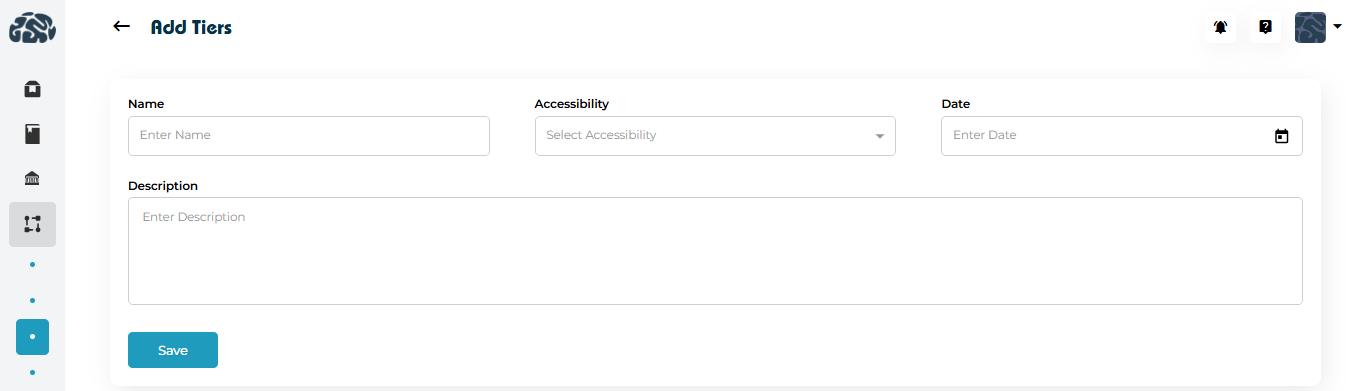
  1. Click ➕ Add on the Tiers page.

  2. Enter the Tier Name (e.g., “Initial Review”).

  3. Select Accessibility:

    • Anytime – always available

    • Once per month – available

    • Twice per month – available
  4. (Optional) Add a Description to clarify the tier’s purpose.

  5. Click Save.

The tier is now available for use in reports and workflows.

4. Viewing Tier Details

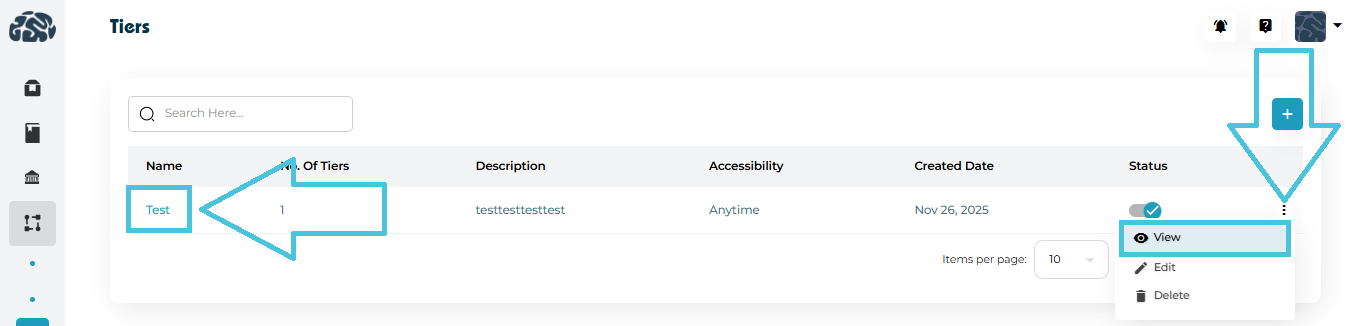
You can open a tier in two ways:

  1. Click the tier name directly.

  2. Use the three-dot menu → View.

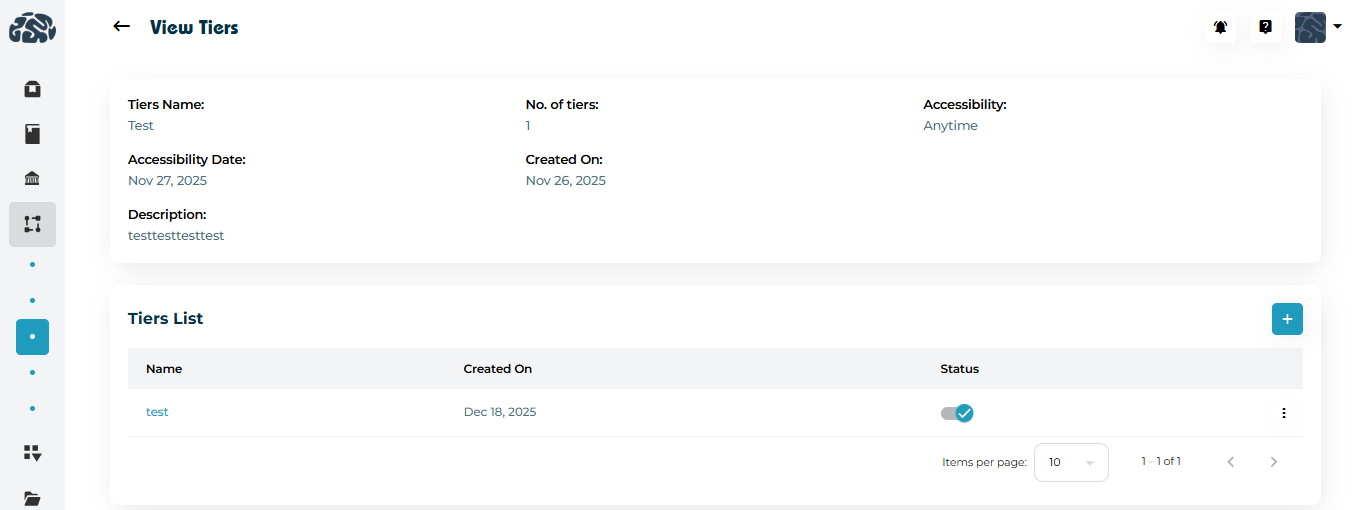
The View Tier page displays:

  • Tier name and description

  • Accessibility settings

  • Created date

  • List of tiers inside it (if applicable)

  • Current status (active/inactive)


5. Managing Tiers Inside a Tier (Nested Tiers)

Some workflows require sub-tiers (e.g., “Document Review” inside “Application Review”).

From the View Tier page:

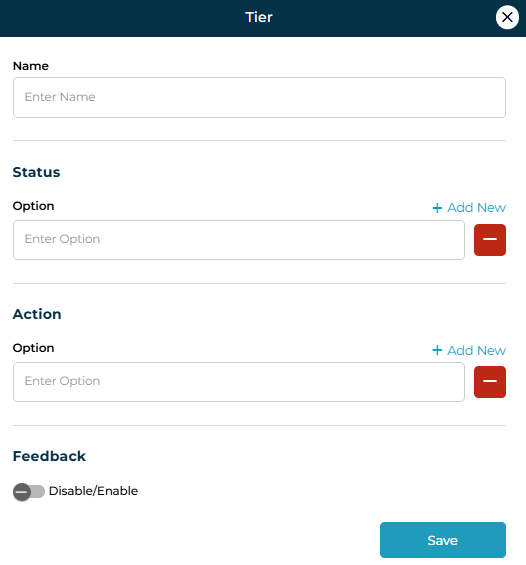
Adding Statuses and Actions to a Tier

Each tier can define how progress is tracked:

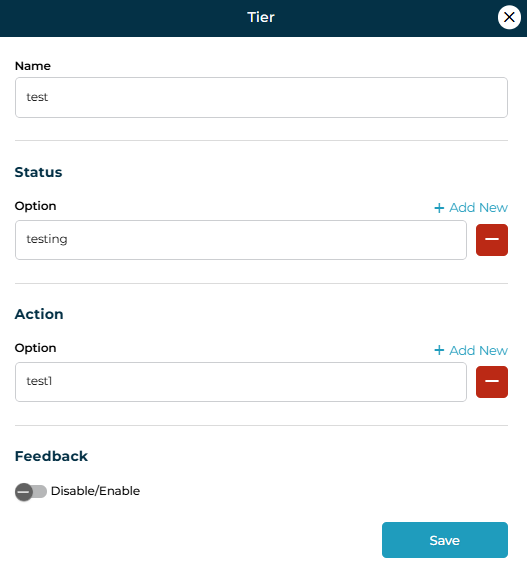
Status Options
  • Add multiple status labels (e.g., Not Started, In Review, Completed).

  • These appear when tracking or reporting progress.

Action Options
  • Define actions users can take (e.g., Request Documents, Approve, Escalate).

  • Actions standardize workflow decisions.

Feedback Toggle
  • Enable Feedback if qualitative input or remarks are required at this tier.

  • Useful for counselor notes or reviewer comments.

Adding a nested tier

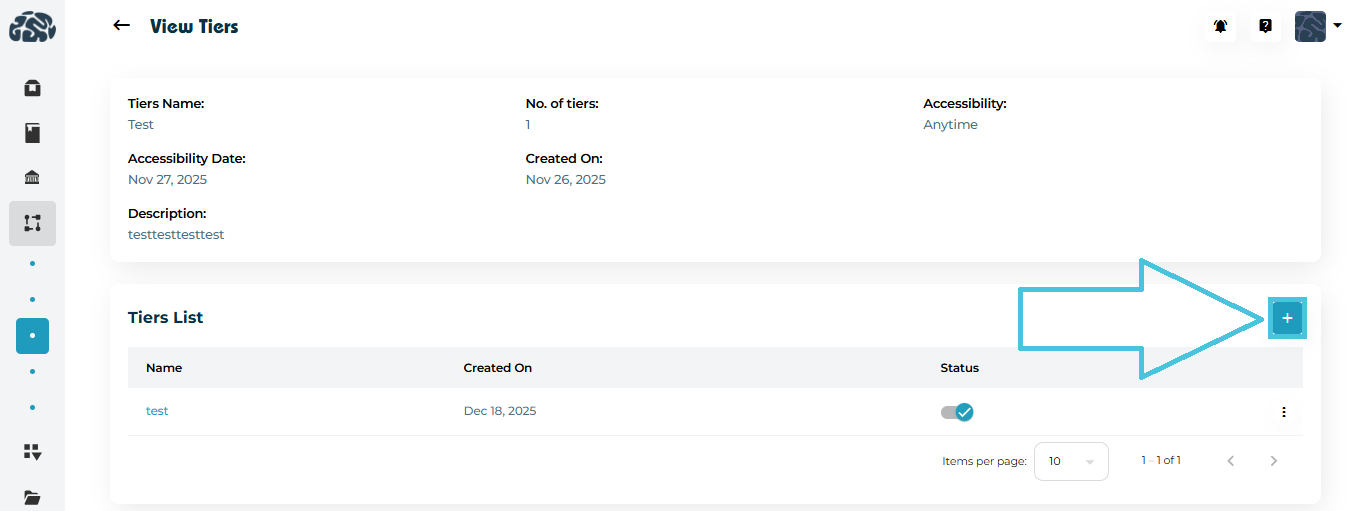
  1. Scroll to Tiers List.

  2. Click ➕ Add to create a tier inside the parent tier.

  3. Define its name, statuses, actions, and feedback settings.

  4. Save to add it to the hierarchy.

This allows granular reporting without cluttering the main workflow.

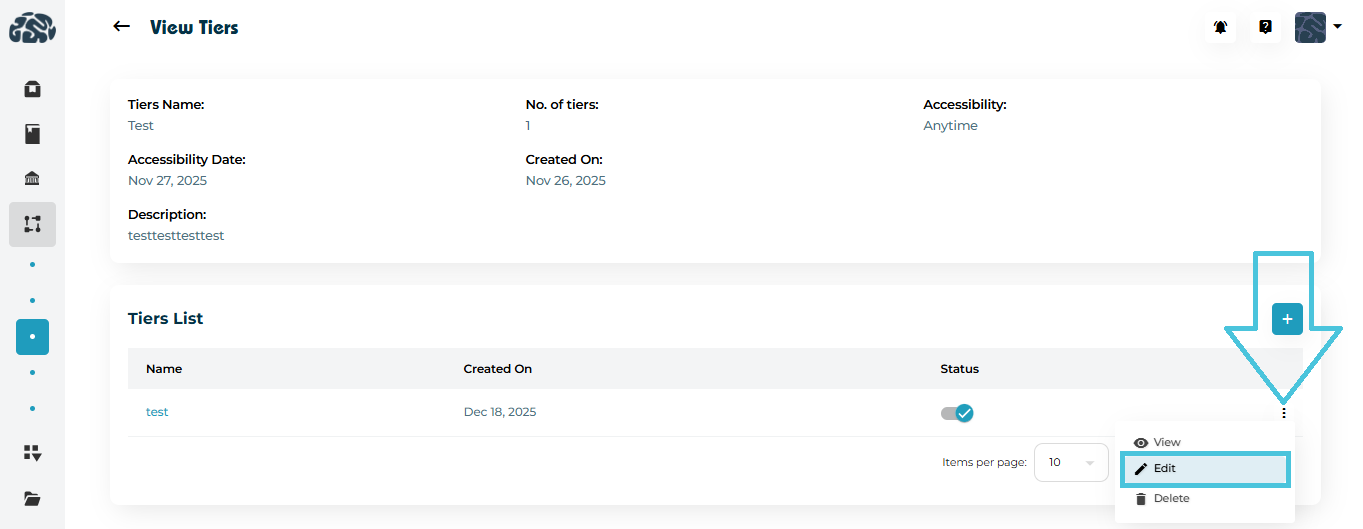
Editing a nested tier

  1. Open the three-dot menu → Edit.

  2. Modify:

    • Name

    • Status

    • Action
    • Feedback

  3. Click Save to apply changes.

Edits take effect immediately across all related reports.

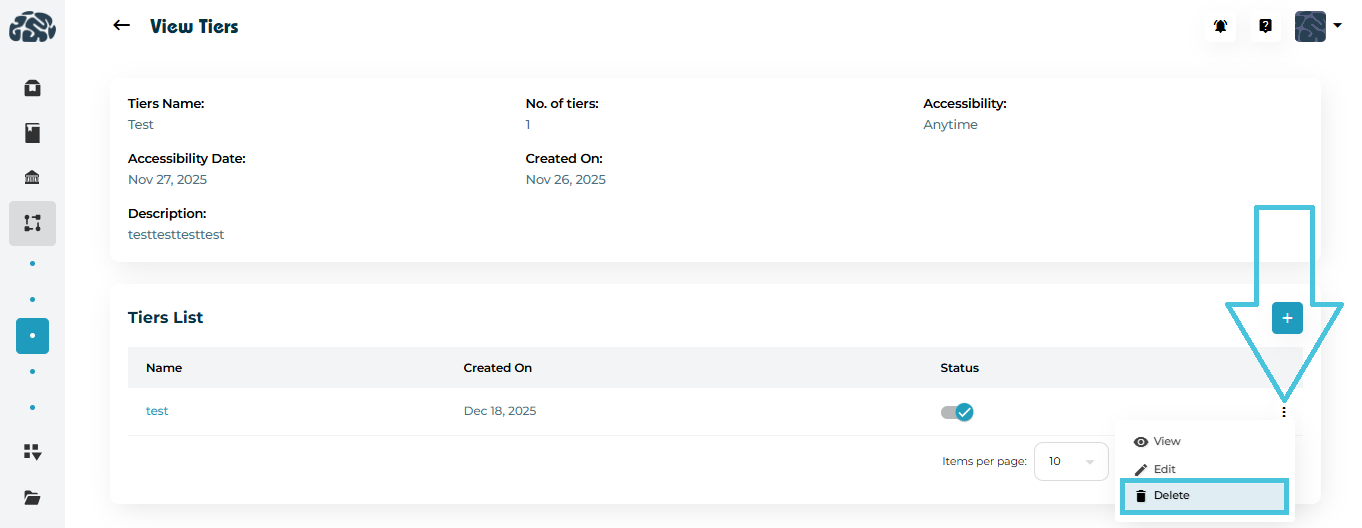
Deleting a nested tier

  1. Open the three-dot menu → Delete.

  2. Confirm the action.

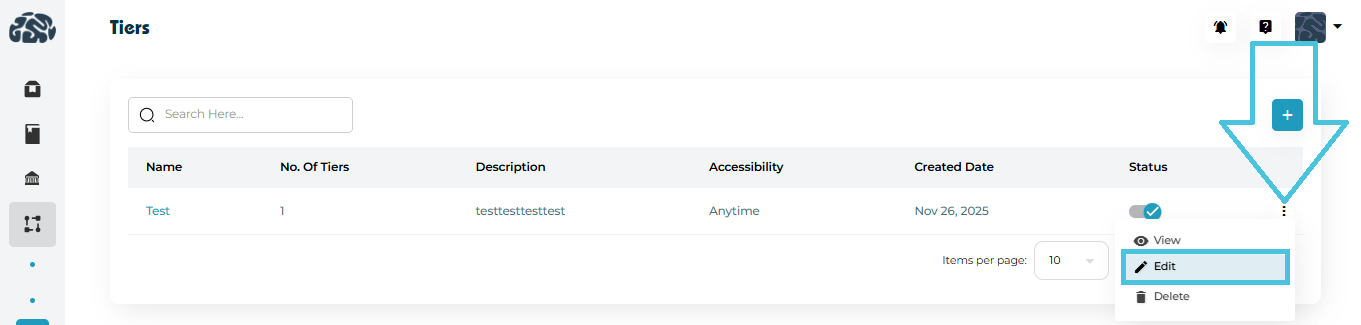
6. Editing an Existing Tier

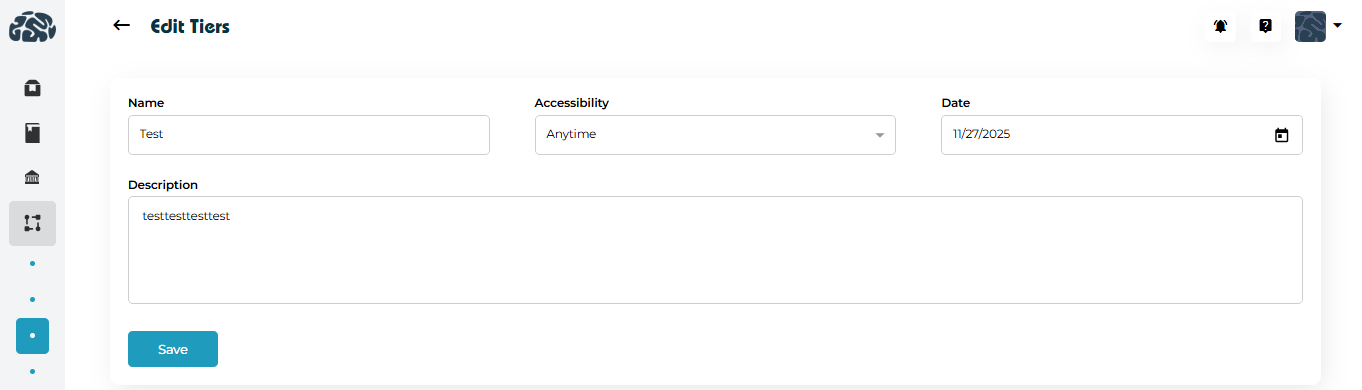
To update a tier:

  1. Open the three-dot menu → Edit.

  2. Modify:

    • Name

    • Accessibility

    • Date
    • Description

  3. Click Save to apply changes.

Edits take effect immediately across all related reports.

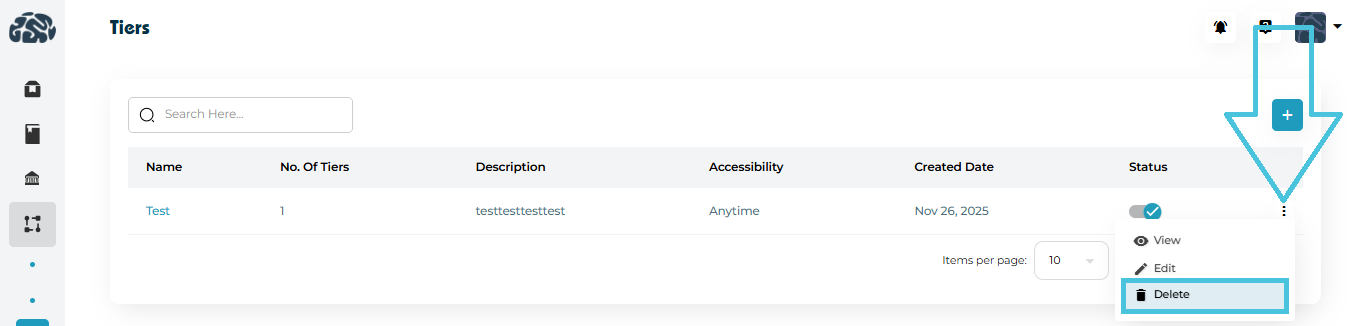
7. Deleting a Tier

To remove a tier:

  1. Open the three-dot menu → Delete.

  2. Confirm the action.

⚠️ Best practice:
Only delete tiers that are no longer referenced in active workflows or reports to avoid data inconsistencies.

IN THIS ARTICLE

Configuring application fields

Configuring Application Fields

The College Application module allows admins to design and control the exact fields used to track each student’s college application journey. By configuring application fields, you can standardize data entry, ensure consistency across counselors, and adapt the workflow to different institutions, regions, or admission requirements.

This article explains how to add, edit, manage, and remove application fields, and how these fields support a flexible, scalable admissions workflow.

1. What Are Application Fields?

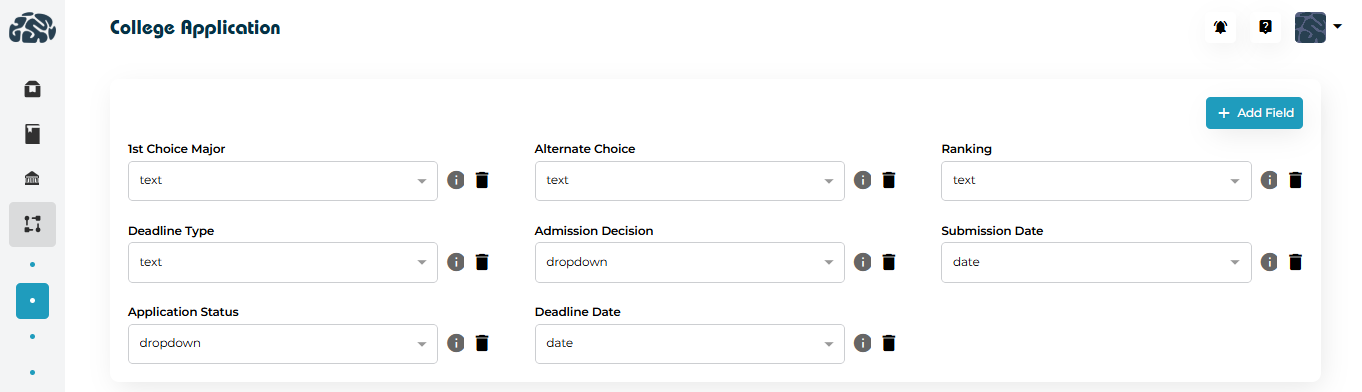
Application fields define what information is collected for each college application record. These fields appear across student application tracking and are used by counselors, advisors, and admins to record progress and decisions.

Examples of commonly used fields include:

  • First Choice Major

  • Alternate Choice

  • Application Status

  • Admission Decision

  • Deadline Date

  • Submission Date

  • Ranking

Each field can be configured with an appropriate field type (text, dropdown, date, etc.) to match how the data should be captured.

2. Accessing College Application Fields

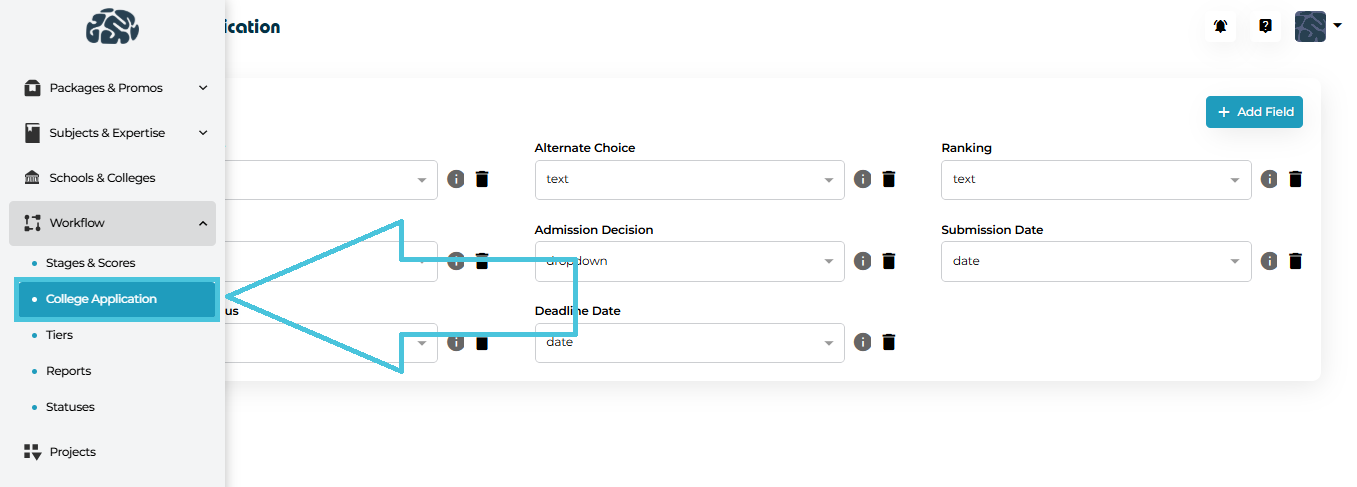
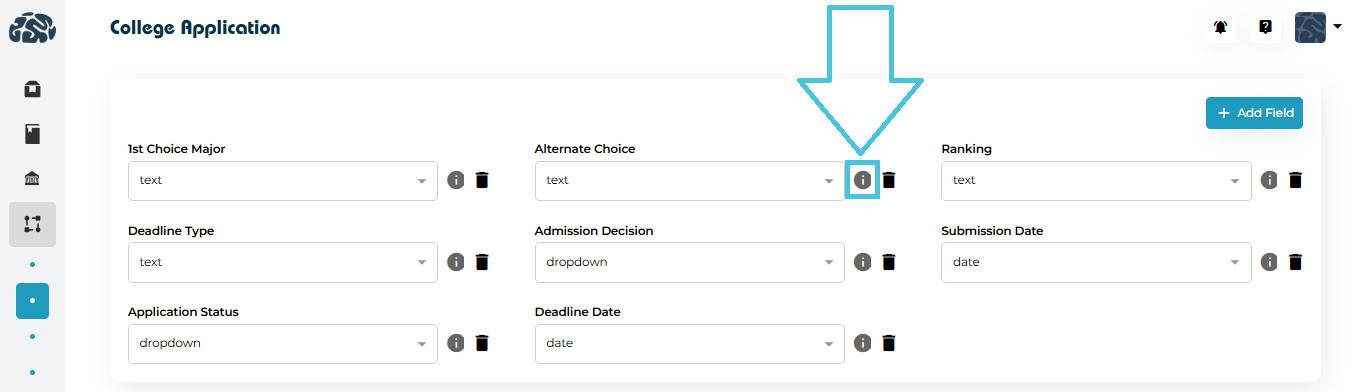
  1. Open the Admin Portal.

  2. Navigate to Workflow → College Application.

  3. You’ll see the full list of configured application fields displayed in a structured layout.

From here, you can:

  • Add new custom fields

  • Edit existing fields

  • Remove fields that are no longer needed

3. Adding a New Application Field

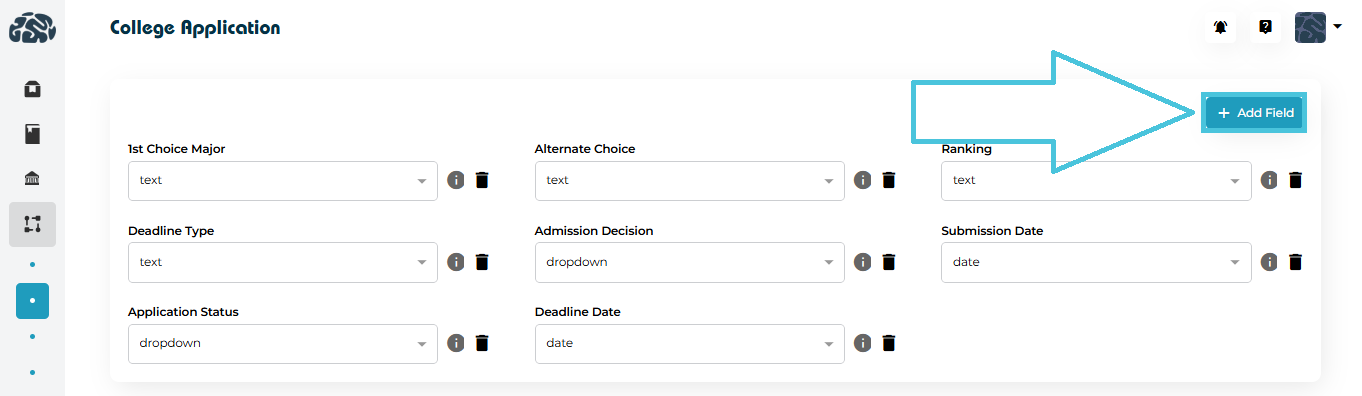
To create a new field:

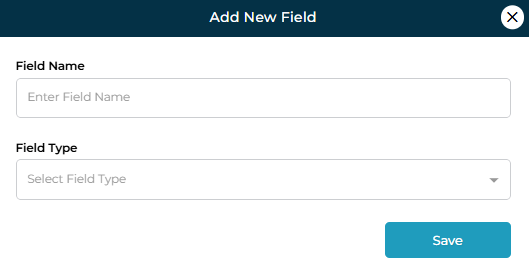
  1. Click ➕ Add Field.

  2. In the Add New Field modal, enter:

    • Field Name
      (Example: Interview Date, Scholarship Status)

    • Field Type
      Choose how the data should be captured:

      • Text

      • Dropdown

      • Date

  3. Click Save.

Once saved, the field becomes immediately available across the College Application workflow.

Best Practices When Adding Fields
  • Use clear, descriptive names so counselors understand the field’s purpose.

  • Select the correct field type to avoid inconsistent data entry.

  • Keep fields minimal and relevant to reduce form clutter.

4. Editing Existing Application Fields

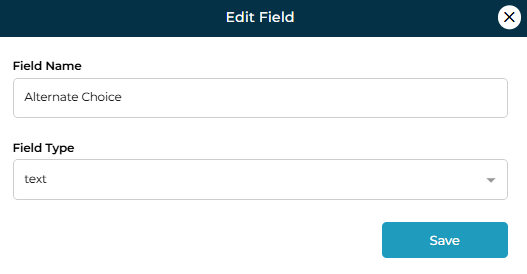
You can update any field at any time:

  1. Open the three-dot menu next to a field.

  2. Click Edit.

  3. Modify the Field Name or Field Type as required.

  4. Click Save to apply changes.

⚠️ Tip: Changing a field type (e.g., from text to dropdown) may affect how previously entered data is interpreted. Review carefully before saving.

5. Removing Application Fields

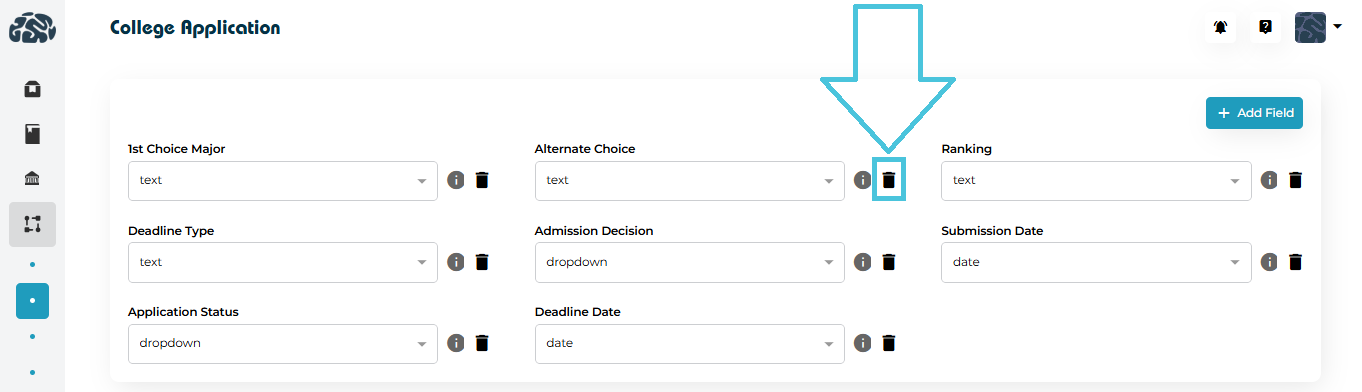
If a field is no longer required:

  1. Open the three-dot menu for that field.

  2. Click Delete.

  3. Confirm the deletion.

Deleting a field removes it from the workflow entirely. This action should be used cautiously, especially if the field has historical data.

IN THIS ARTICLE

Managing admission stages and scores

Managing Admission Stages and Scores

The Stages & Scores module in PrepBase allows administrators to define, customize, and manage structured admission workflows. These workflows help track a student’s progress across different stages of their academic or admissions journey while attaching measurable evaluation scores at relevant points.

This feature is especially useful for admissions counseling, test preparation programs, and multi-step academic processes where visibility, consistency, and progress tracking are essential.

1. What Are Admission Stages and Scores?

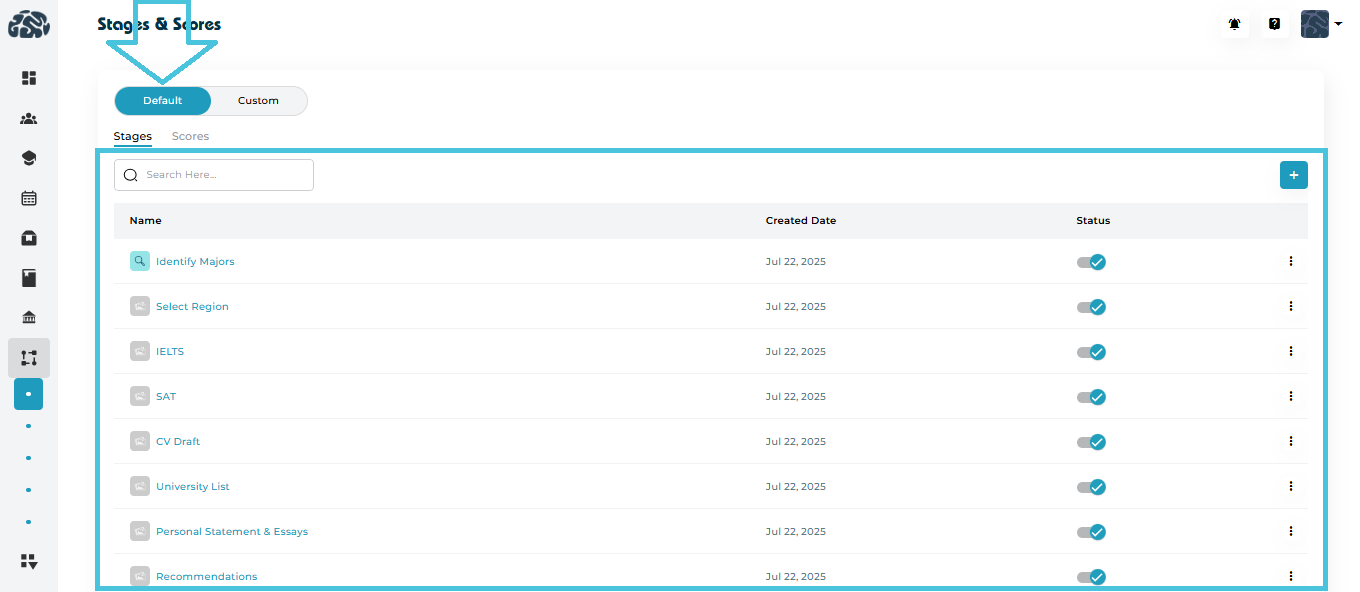
Admission Stages

Stages represent the key steps a student goes through during an academic or admissions process. Each stage can include multiple statuses to reflect progress.

Examples:

  • Identify Majors

  • Select Region

  • IELTS Preparation

  • SAT Preparation

  • CV Draft

  • University List

  • Personal Statement & Essays

  • Recommendations

  • Submit Application

Each stage can move through statuses such as:

  • Not Started

  • In Progress

  • Completed

Admission Scores

Scores are measurable academic or assessment indicators used to evaluate student readiness or performance at specific stages.

Examples:

  • CGPA (Max Score: 4)

  • GPA (Max Score: 4)

  • IELTS (Max Score: 9)

  • SAT (Max Score: 1600)

  • ACT (Max Score: 36)

Scores ensure standardized evaluation and can be reused across different workflows.

2. Accessing Stages & Scores

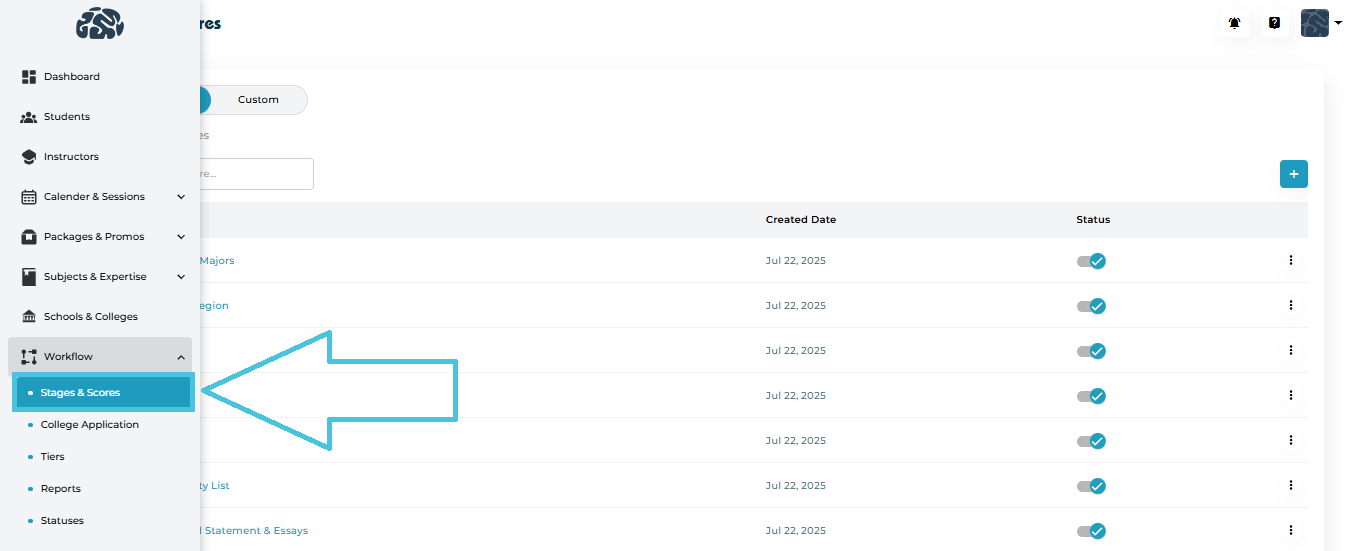
Navigate to:

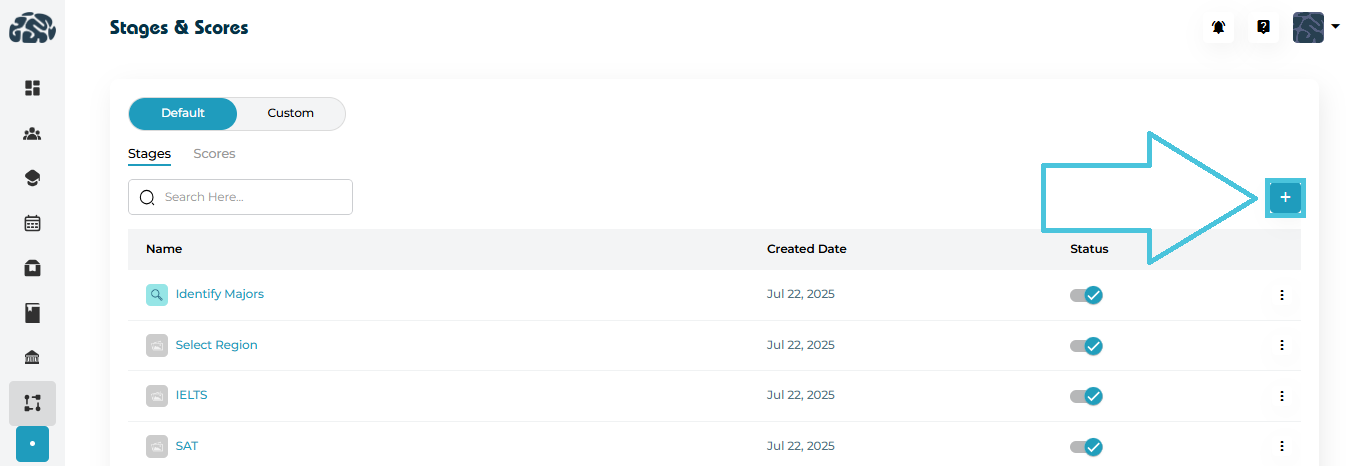
Admin Panel → Workflow → Stages & Scores

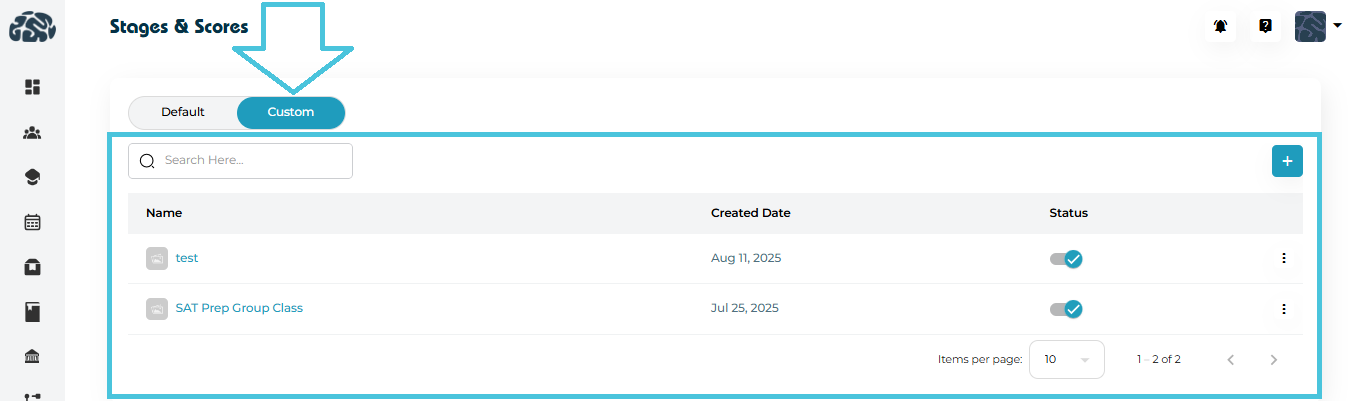
You will see two main views:

  • Default

  • Custom

Default view is further divided into:

  • Stages

  • Scores

3. Understanding Default vs Custom

Default
  • System-defined stages and scores

  • Designed to cover common admissions workflows

  • Can be viewed, edited, or disabled (depending on permissions)

Custom

  • Admin-created stages and workflows

  • Fully customizable to match your organization’s process

  • Ideal for specific programs (e.g., SAT Prep Group Class, Counseling Tracks)

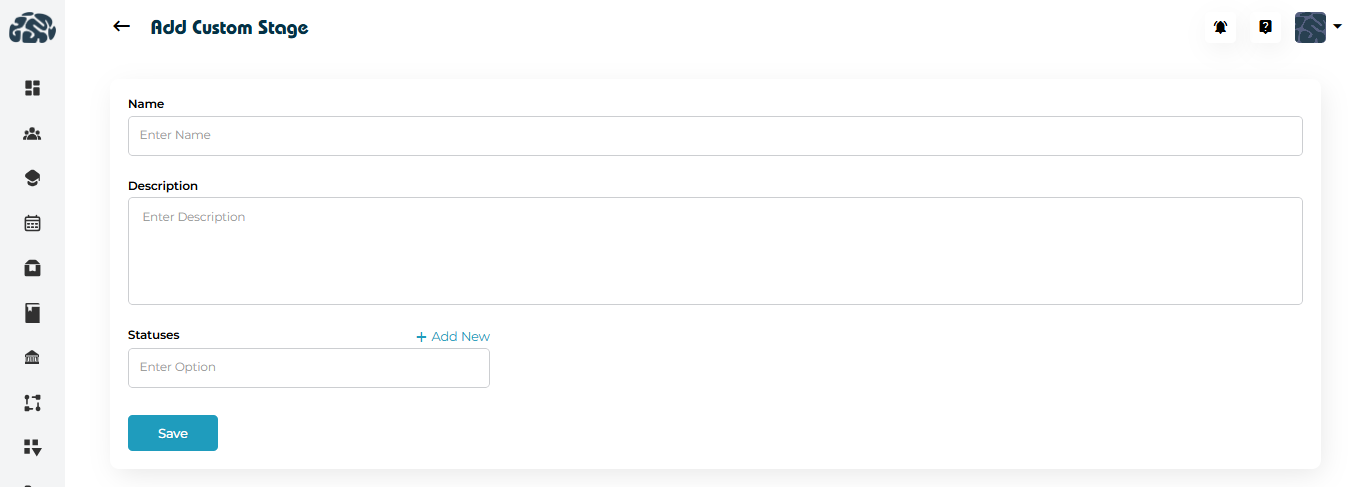
4. Creating a Custom Admission Stages

Step-by-Step
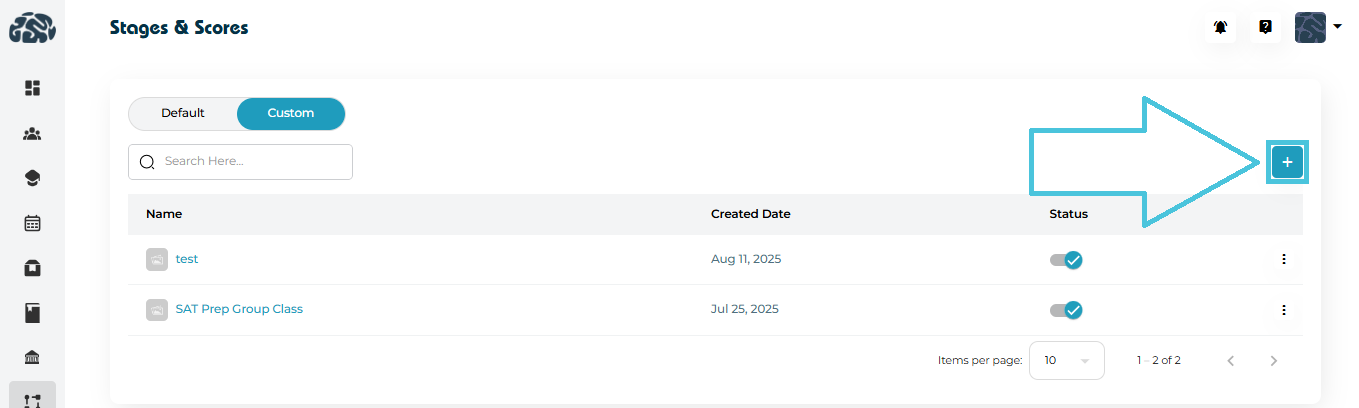
  1. Open Stages & Scores

  2. Switch to the Custom tab

  3. Click ➕ Add Stage

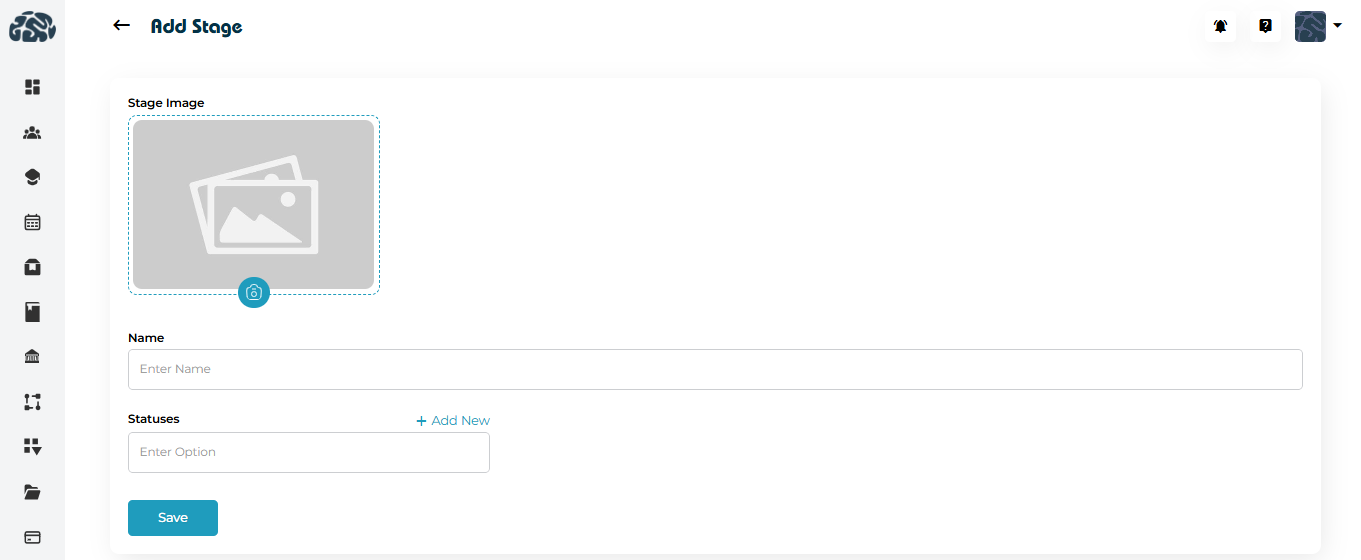
  4. Upload a stage image (optional but recommended)

  5. Enter:

    • Stage Name

    • Description

  6. Add one or more Statuses

    • Example: Not Started, In Progress, Completed

  7. Click Save

Once created, the stage becomes available for use in workflows and projects.

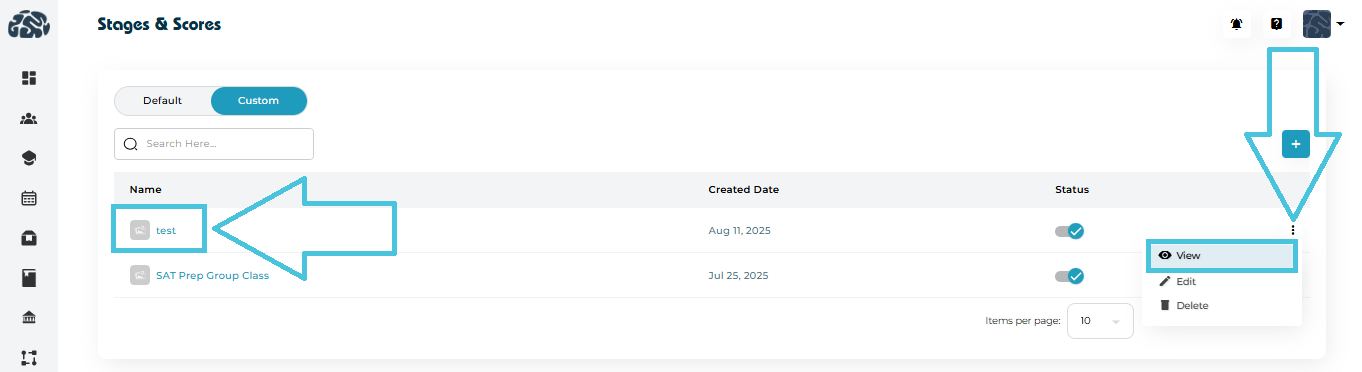
5. Managing Custom Admission Stages

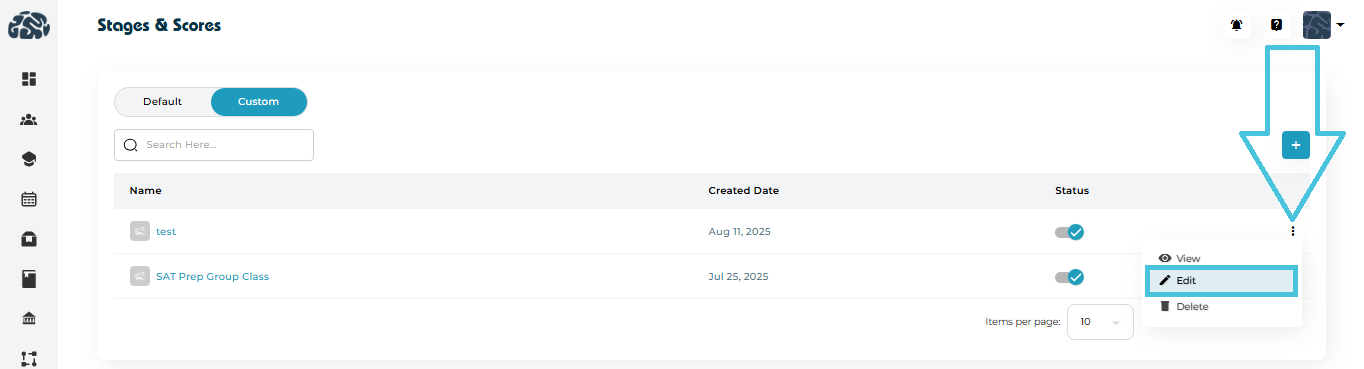
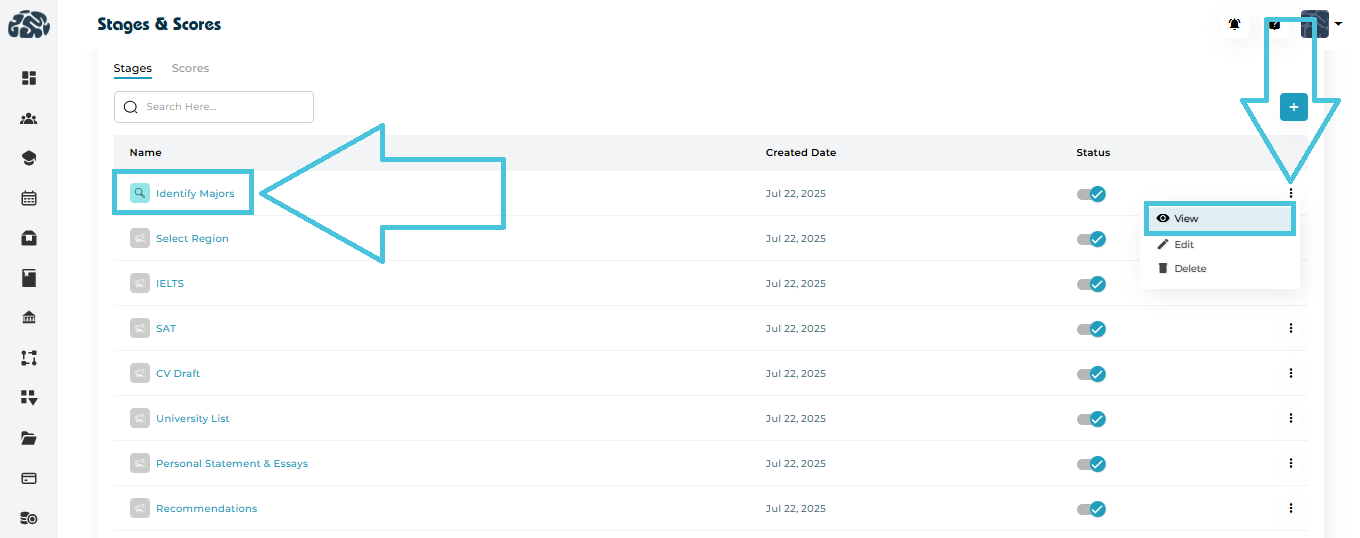
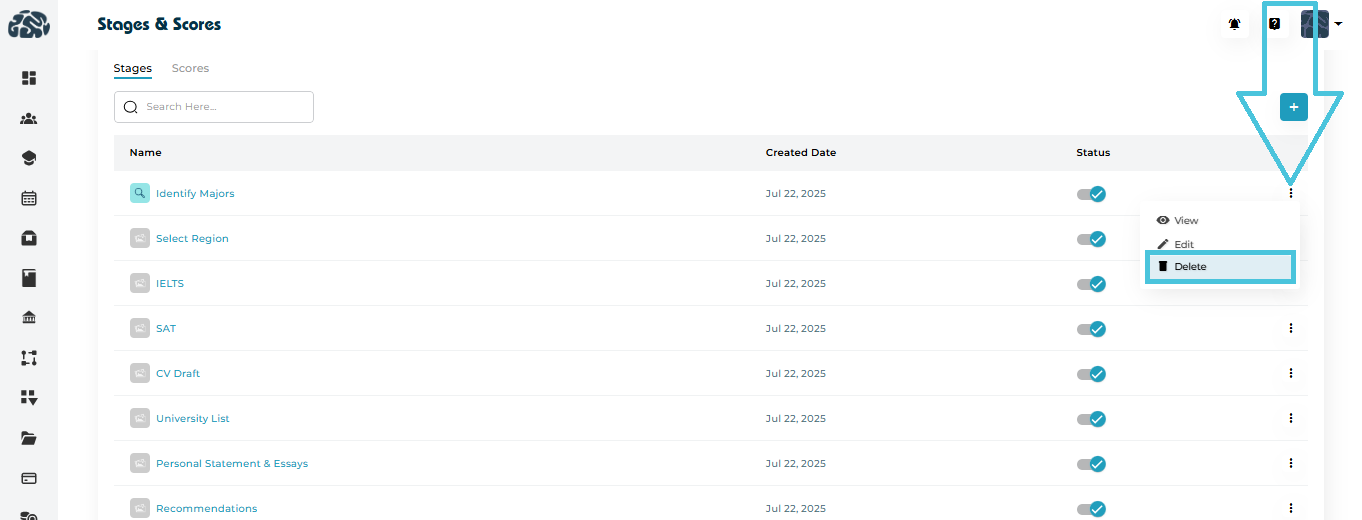
Each stage row provides a three-dot menu with the following options:

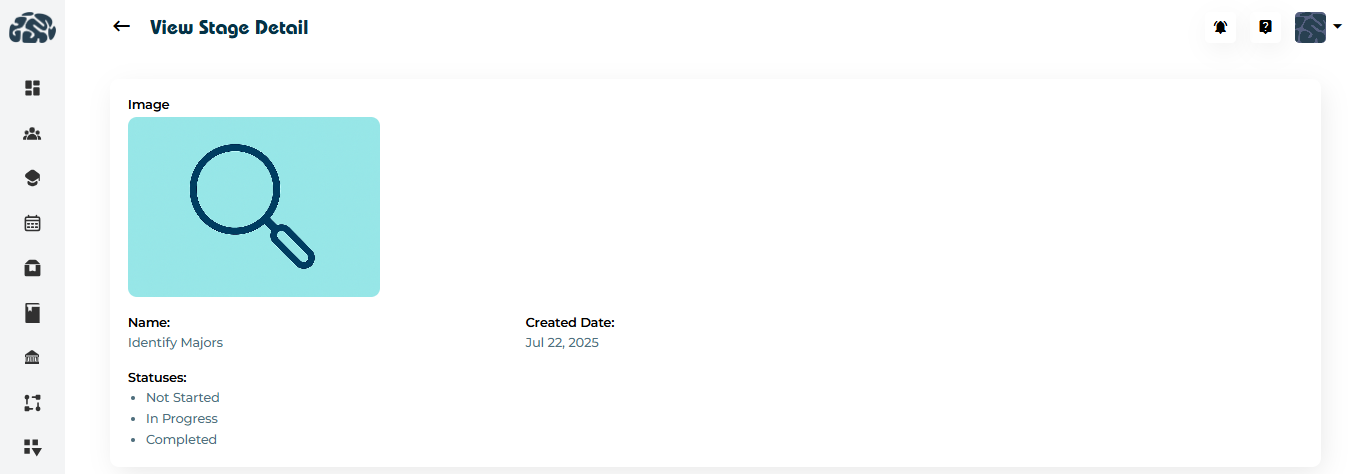
View Stage

Opens a detailed view showing:

    • Stage Image

    • Stage Name

    • Creation date

    • Associated statuses

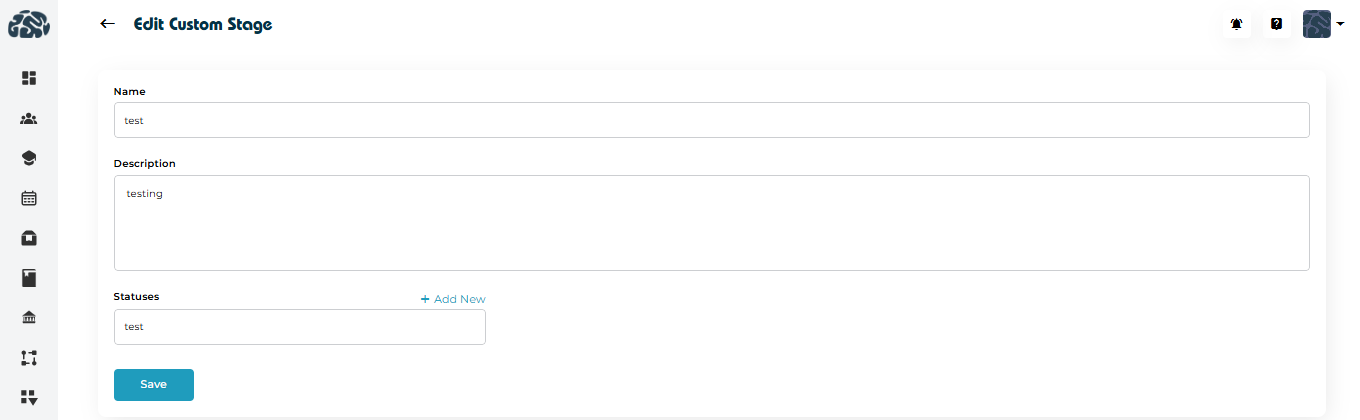
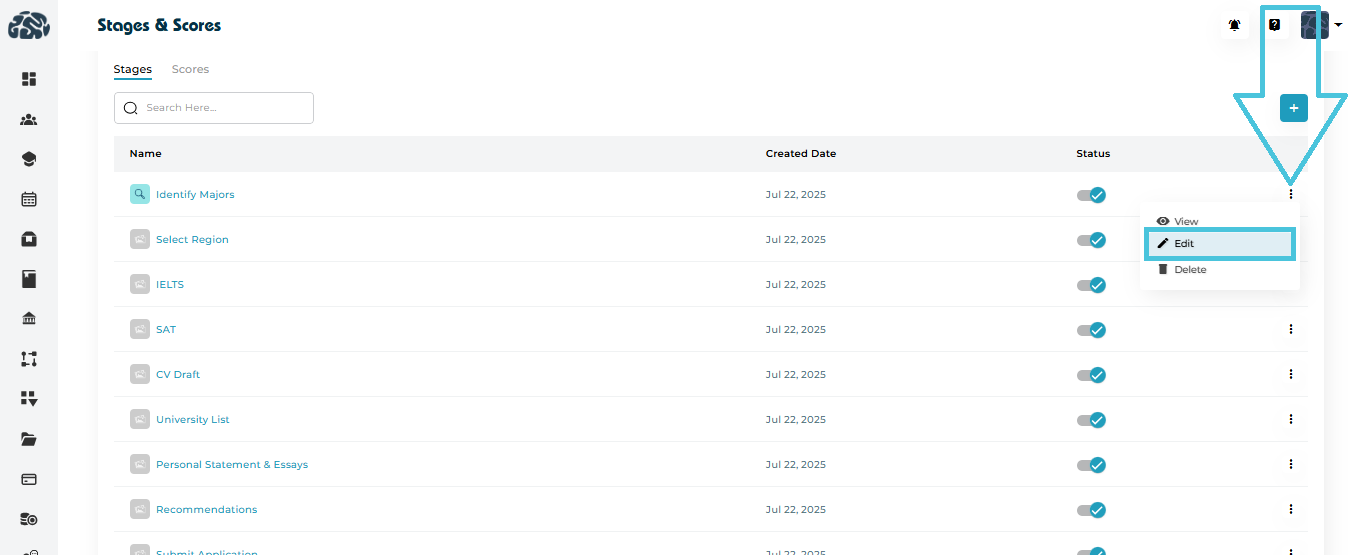
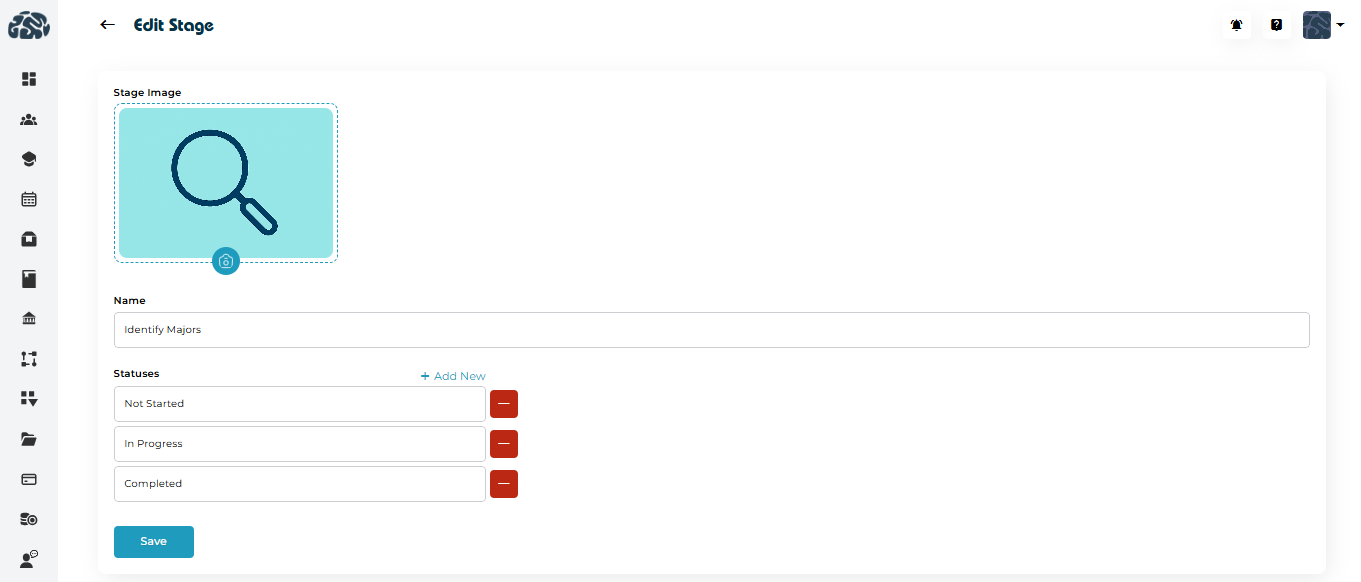
Edit Stage

Update:

    • Stage Name

    • Description

    • Statuses

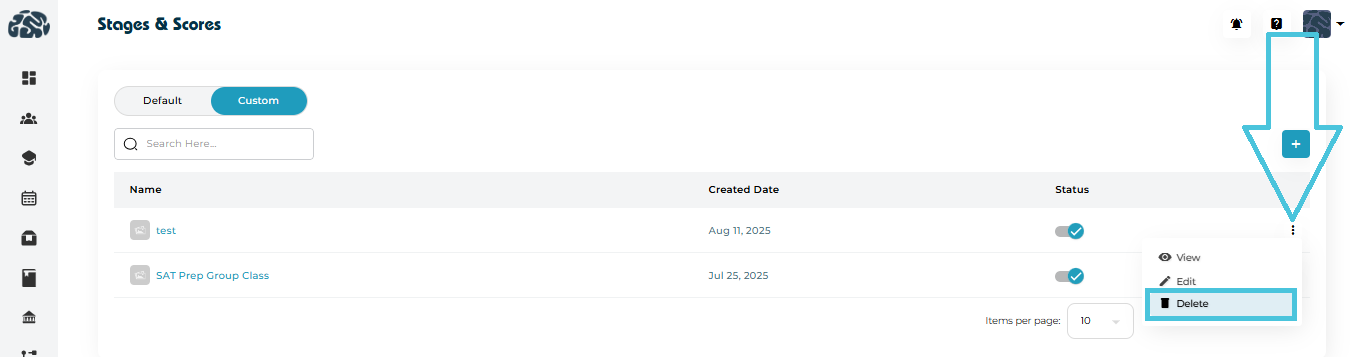
Delete Stage
  • Permanently removes the stage

  • Recommended only if the stage is not actively used

6. Creating New Default Stages

Adding New default Stage

  1. Go to Stages & Scores → Stages

  2. Click ➕ Add Stage

  3. Upload a stage image (optional)

  4. Enter:

    • Stage Name

    • Status
  5. Click Save

7. Managing Existing Stages

Each stage row provides a three-dot menu with the following options:

View Stage

Opens a detailed view showing:

    • Stage Image

    • Stage Name

    • Creation date

    • Associated statuses

Edit Stage

Update:

    • Stage name

    • Stage image

    • Statuses

Delete Stage
  • Permanently removes the stage

  • Recommended only if the stage is not actively used

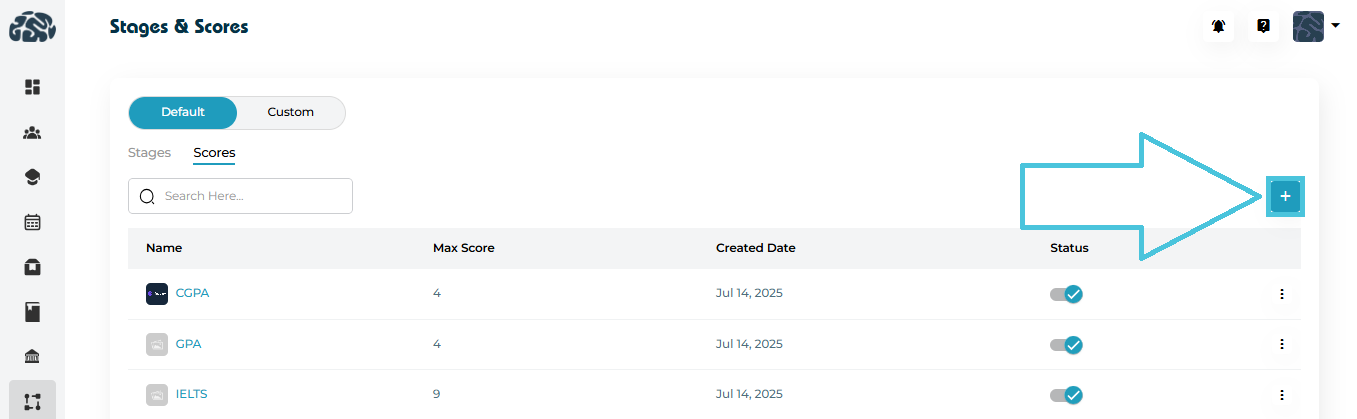
8. Creating New Scores

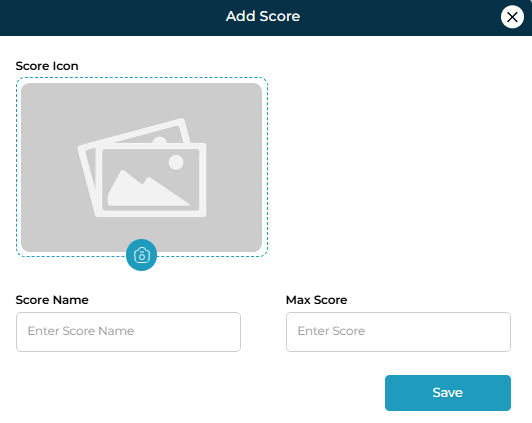
Adding New Score

  1. Go to Stages & Scores → Scores

  2. Click ➕ Add Score

  3. Upload a score icon (optional)

  4. Enter:

    • Score Name (e.g., IELTS)

    • Maximum Score

  5. Click Save

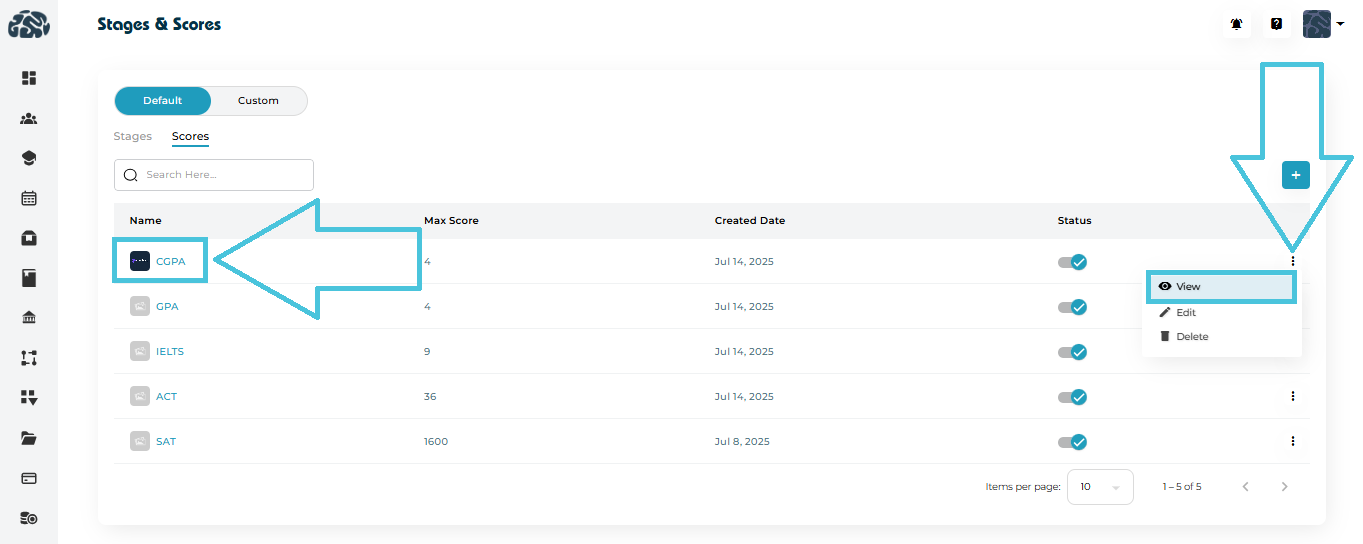
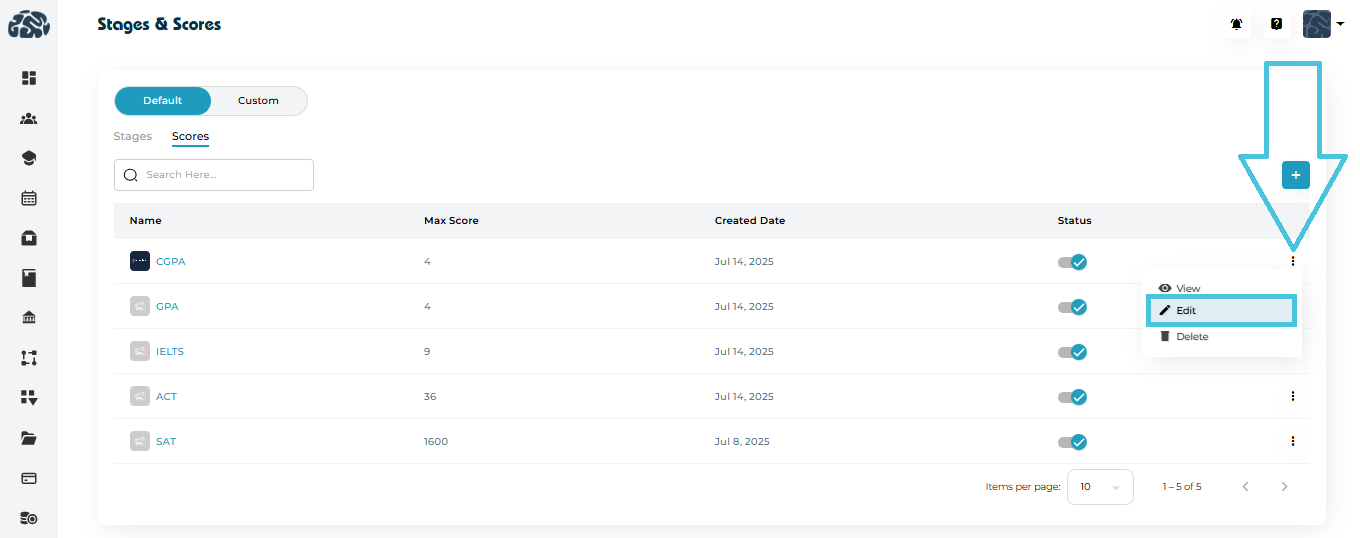
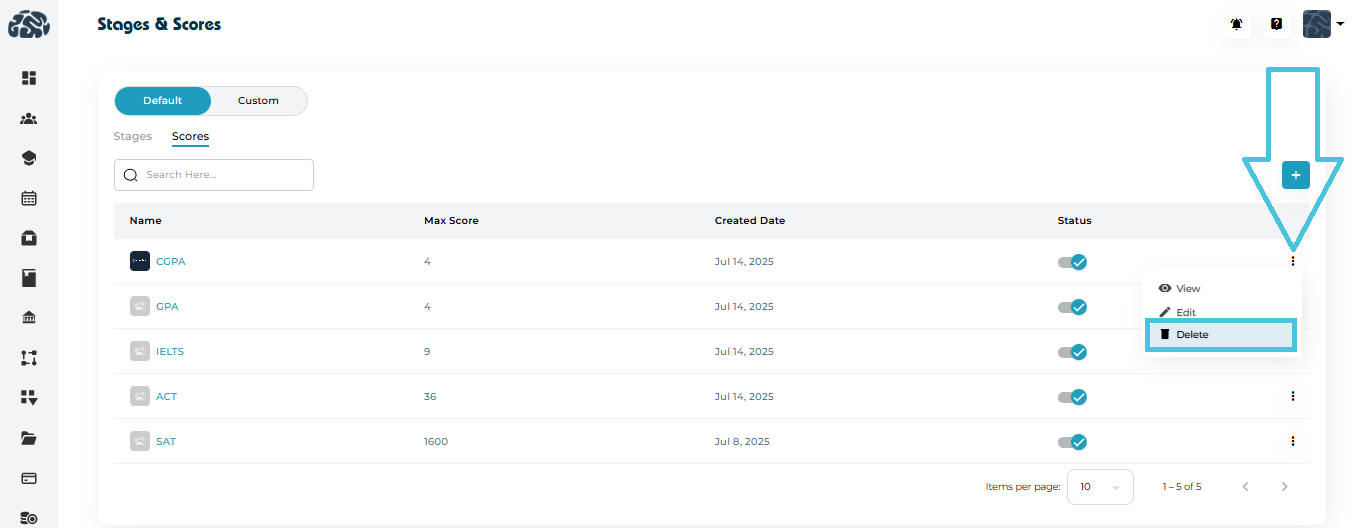
9. Managing Existing Scores

Each score row provides a three-dot menu with the following options:

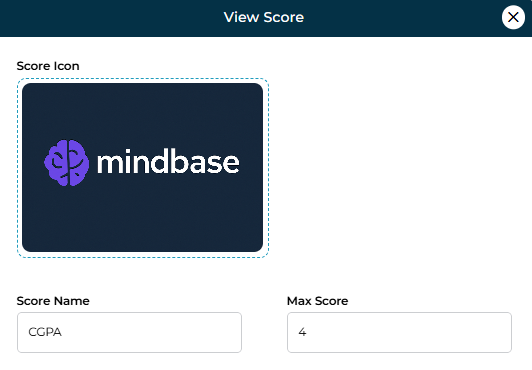
View Scores

Opens a detailed view showing:

    • Score Icon

    • Score Name

    • Max Score

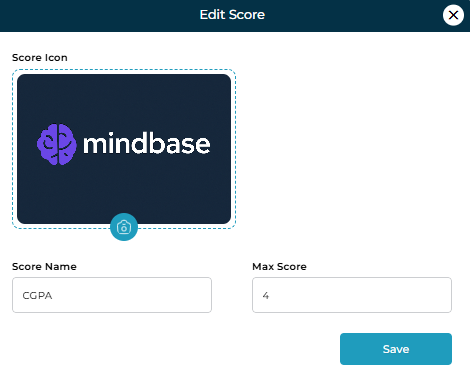
Edit Score


Update:

    • Score Icon

    • Score Name

    • Max Score

Delete Score

 
  • Permanently removes the score

  • Recommended only if the score is not actively used

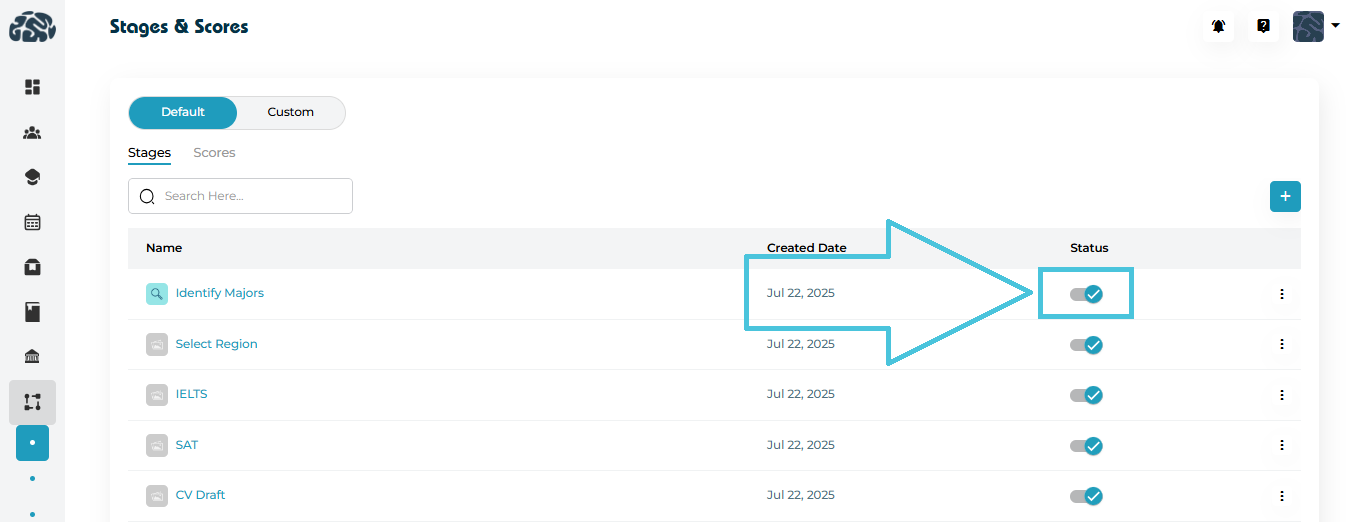
10. Enabling or Disabling Stages & Scores

Each stage or score includes a status toggle:

  • Enabled: Available for use in workflows

  • Disabled: Hidden from selection but not deleted

This allows admins to pause usage without losing historical data.

IN THIS ARTICLE